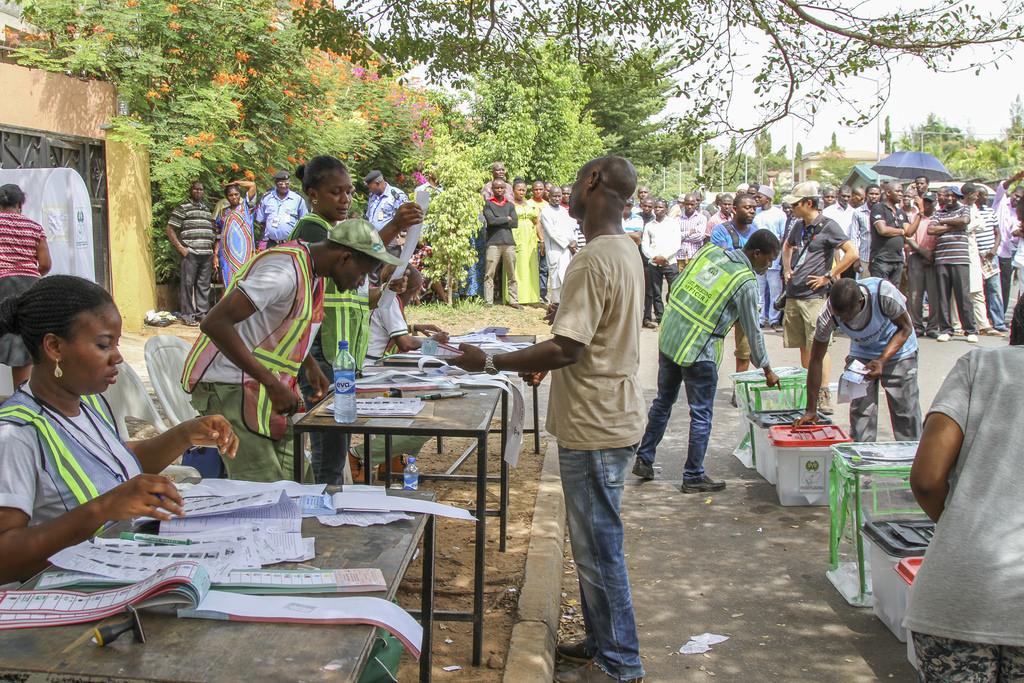
Religious leaders and a legal practitioner have expressed differing views over the scheduling of Nigeria’s 2027 presidential and National Assembly elections on February 20, a date that falls within the Islamic holy month of Ramadan and the Christian Lenten season.
The Independent National Electoral Commission (INEC) last week announced February 20, 2027, for the presidential and National Assembly elections, with governorship and State Houses of Assembly polls slated for March 6, 2027. The timetable has sparked debate among political and religious stakeholders.
Christians Have Voted During Lent – CAN
Daniel Atori, Media Aide to the Niger State Chairman of the Christian Association of Nigeria (CAN), said holding elections during Lent is not unprecedented and has never prevented Christians from voting.
He noted that since Nigeria’s return to democratic rule in 1999, several elections have taken place during the Lenten period without affecting Christian participation.
Citing previous electoral cycles, Atori referenced the 2023 general elections, which were conducted shortly after Ash Wednesday, as well as elections in 2019 and 1999 that also fell within Lent.
“Christians remain committed to their civic responsibilities regardless of the fasting season,” he said, urging INEC to be guided by constitutional provisions rather than religious sentiments.
Ramadan May Pose Practical Challenges – Cleric
An Islamic cleric and founder of the El-Mu’azzam Foundation, Ibrahim El Mu’azzam, said while Islam does not forbid voting during Ramadan, the fasting period could present practical challenges.
He explained that Muslims abstain from food and water from dawn to sunset during Ramadan, which may affect physical stamina and overall engagement in electoral activities.
“Holding elections during Ramadan is not inherently wrong, but it presents practical concerns,” he said, adding that turnout may be slightly affected due to fatigue, though not significantly.
The cleric advised INEC to consult major Islamic bodies before finalising decisions that coincide with Ramadan, noting that dialogue would promote inclusiveness and wider acceptance.
Religion Not Constitutional Ground – Lawyer
A legal practitioner in Jigawa State, Barrister Usman Yau, maintained that religion is not a legal basis for shifting elections under the Electoral Act 2022.
He said INEC is constitutionally empowered to fix election dates and may only postpone polls under circumstances such as natural disasters, security threats, or emergencies as outlined in Section 28 of the Electoral Act.
“Religion is not among the grounds provided by law for postponing an election,” he stated.
Yau acknowledged that holding elections during Ramadan could raise concerns about voter turnout but stressed that Nigeria is a secular state and cannot adopt any religion as a basis for official decisions.
He added that while moral arguments about inclusiveness may arise, the legal position remains clear unless INEC decides to exercise its constitutional powers within the limits of the law.
INEC Responds
Reacting to public concerns, INEC said the timetable was drawn in compliance with the 1999 Constitution (as amended) and the Electoral Act 2022.
In a statement by its National Commissioner and Chairman of the Information and Voter Education Committee, Mohammed Kudu Haruna, the commission acknowledged stakeholders’ concerns and said it is engaging in consultations.
INEC added that any adjustment, if considered necessary, would remain within constitutional and legal boundaries, reaffirming its commitment to transparency and credible elections in 2027.