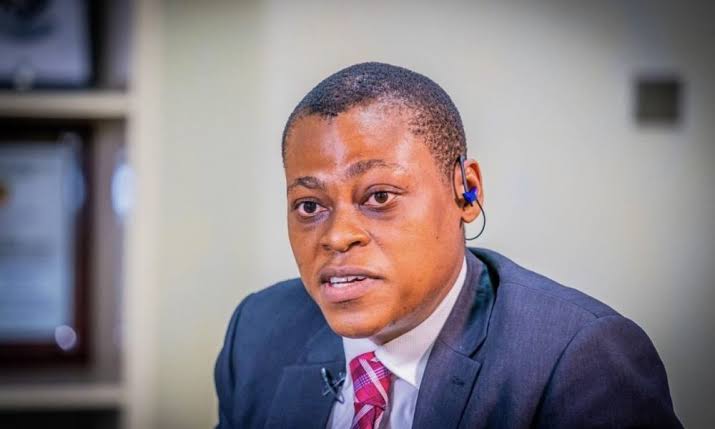
Arise Television anchor Rufai Oseni has vowed to continue speaking out and holding people in authority accountable despite criticism following his recent confrontation with Lere Olayinka, media aide to FCT Minister Nyesom Wike.
Rufai made the declaration after a heated exchange with Olayinka during a live edition of Arise TV’s The Morning Show on Friday.
The interview was eventually cut short after Olayinka repeatedly declined to respond to questions from the journalist.
How The On-Air Clash Started
The disagreement began after Rufai asked Olayinka about the inclusion of former Minister of Humanitarian Affairs Betta Edu in a presidential campaign structure despite corruption allegations previously made against her.
Rather than answer the question, Olayinka challenged Rufai over his previous use of a Yoruba expression.
The exchange became increasingly tense, with Olayinka telling Rufai that he would not answer questions directed at him by the anchor.
Another presenter on the programme, Ayo Mairo-Ese, attempted to intervene and reminded the guest that The Morning Show has multiple anchors and that questions could come from any of them.
The disagreement ultimately led to the interview being brought to an end.
Rufai Thanks Nigerians For Support
Following the incident, Rufai took to X to thank Nigerians who contacted him and sent messages of support.
He said the reaction had strengthened his resolve to continue advocating for accountability.
The journalist drew inspiration from the late labour leader Michael Imoudu and the 1945 general strike, arguing that speaking against perceived injustice can attract opposition.
Rufai said he would continue to “speak truth to power” despite criticism.
Olayinka Also Defends His Position
The controversy has continued beyond the television programme, with Olayinka and Rufai exchanging comments on social media.
Olayinka’s refusal to answer the questions during the programme became the central issue, while supporters of both men have offered differing interpretations of the confrontation.
Debate Over Media Accountability
The incident has also reignited discussion about the relationship between journalists and political actors.
Journalists are expected to ask difficult questions and hold public officials accountable, while political representatives often argue that interviews should remain respectful and focused on substantive issues.
The confrontation between Rufai and Olayinka has therefore become part of a wider debate over political communication, media independence and the role of journalists in Nigeria’s democratic process.