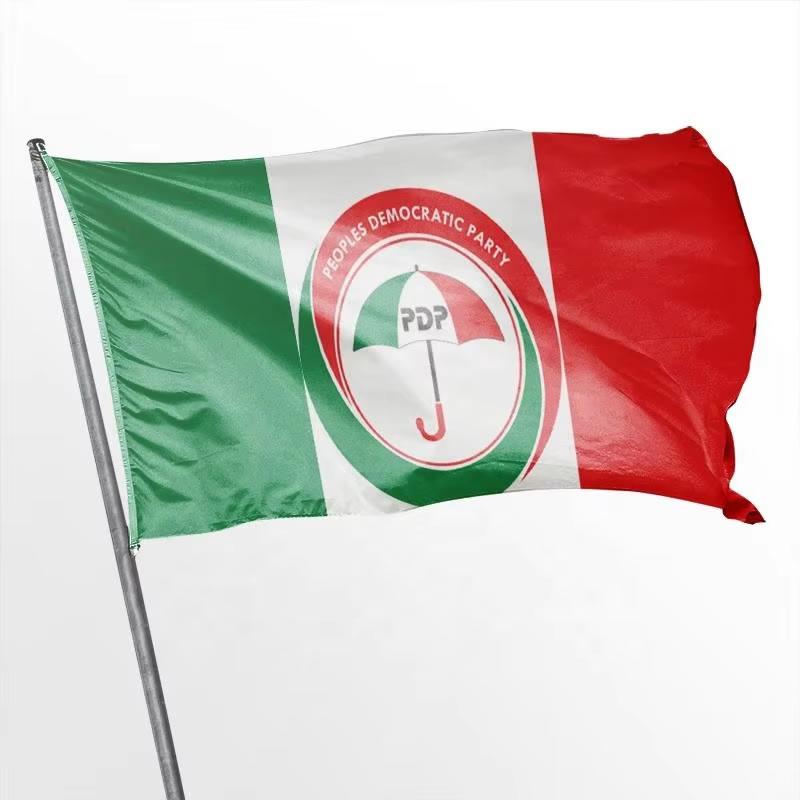
A faction of the Peoples Democratic Party (PDP) led by Tanimu Turaki has criticised President Bola Ahmed Tinubu’s Independence Day address, arguing that the administration’s claims of economic progress do not reflect the difficulties many Nigerians continue to face.
The faction’s National Publicity Secretary, Ini Ememobong, expressed the position on Thursday, October 1, 2026, in response to the President’s national broadcast marking Nigeria’s 66th Independence Anniversary.
Tinubu’s address presented the government’s economic reforms as measures intended to correct longstanding structural weaknesses and establish the foundations for broader prosperity.
The President also pointed to economic growth, falling inflation from its previous peak, stronger foreign reserves and increased non-oil export earnings as evidence of progress.
Ememobong, however, argued that the administration’s account did not adequately reflect the financial pressures confronting households, including high living costs and declining purchasing power.
Dispute Over the Meaning of Economic Progress
In his address, Tinubu said the country had reached a turning point after difficult reforms and that the government’s next priority was to expand prosperity through job creation, agricultural productivity, infrastructure and industrial development.
The PDP faction challenged the President’s portrayal of the country’s progress, arguing that economic indicators should be assessed alongside their effects on ordinary Nigerians.
The party also questioned the President’s use of the biblical account of Moses leading the Israelites out of Egypt as an analogy for Nigeria’s economic journey.
The disagreement reflects competing political interpretations of the government’s record. The administration has emphasised macroeconomic indicators and structural reforms, while critics have focused on the immediate effects of those policies on household budgets.
Assessing the competing claims requires distinguishing economic growth and inflation trends from changes in real incomes, prices, employment and access to essential services.
The exchange adds to the political debate over the economy as parties prepare for the 2027 general election.