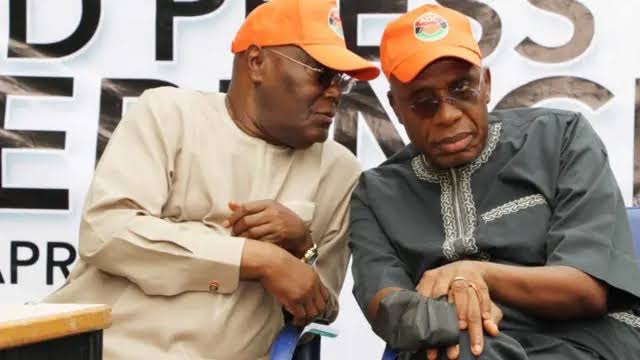
The All Progressives Congress (APC) Presidential Campaign Council has accused former Vice-President Atiku Abubakar and the African Democratic Congress (ADC) of allegedly planning to undermine the party’s presidential campaign flag-off in Kaduna through fake news, doctored documents and deepfake videos.
The council made the allegation in a statement issued on Saturday by its spokesperson, Dele Alake, as the ruling party prepared for its campaign event in Kaduna ahead of the 2027 presidential election.
According to the council, the alleged operation was designed to influence public opinion, damage the reputations of President Bola Ahmed Tinubu and Kaduna State Governor Uba Sani, and cast the ruling party’s campaign in a negative light.
The APC campaign body claimed that artificial intelligence tools, manipulated videos, counterfeit documents and misleading reports were being used or prepared for circulation across traditional media and social media platforms.
It further alleged that some material circulating online had been distorted to create a misleading impression about events surrounding the campaign preparations.
Among the examples cited by the council were reports concerning a security vehicle seen near an APC campaign billboard in Kaduna and an alleged letter purportedly linked to Governor Uba Sani and the funding of the rally.
The council disputed the interpretations circulating online and accused opposition figures of using the claims to question the ruling party’s conduct and campaign arrangements.
Alake urged Nigerians to exercise caution when consuming political content, particularly material shared online without clear evidence of its origin or authenticity.
The allegations come amid growing concern about the potential use of manipulated digital content to influence political debate as Nigeria approaches the 2027 general election.
Deepfake technology can be used to generate or alter video, audio and images in ways that make fabricated material appear authentic. When circulated without verification, such content can mislead audiences and damage public trust in political institutions and news reporting.
However, the APC council’s accusations against Atiku and the ADC remain claims made by a political party. The statement alone does not independently establish that the opposition candidate or his party organised the alleged activities.
The allegations also highlight the increasingly contentious relationship between the ruling party and opposition groups, which have traded accusations over campaign tactics, governance and the use of public resources.
For voters, the central issue is whether claims made by political actors can be supported by verifiable evidence. Establishing the authenticity of disputed documents, tracing the origins of manipulated content and providing evidence of any coordinated operation would be necessary to determine responsibility.
As campaign activities intensify, political parties and media organisations face growing pressure to distinguish legitimate criticism from deliberate misinformation and to ensure that public debate is grounded in verifiable facts.