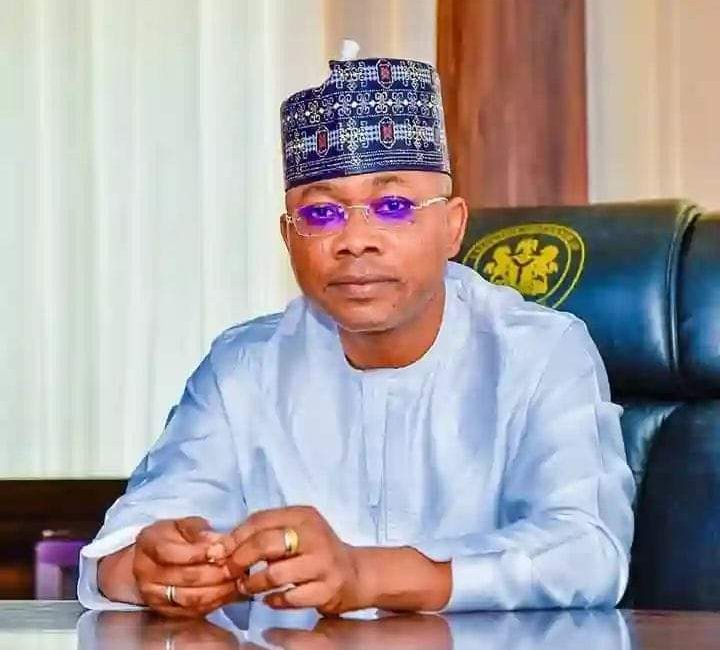
In a decisive move to address child malnutrition and improve health outcomes, the Kogi State Government has launched a large-scale capacity-building programme aimed at training 10,000 health workers across the state.
The initiative, unveiled on Monday during the flag-off of a six-day “Training of Trainers” workshop on the Integrated Management of Acute Malnutrition (IMAM), underscores the administration’s focus on tackling severe malnutrition through coordinated, community-based interventions.
Governor Ahmed Usman Ododo, represented by his Chief of Staff, Alhaji Ali Bello, said the state is investing heavily in sustainable nutrition strategies to protect children, pregnant women, and other vulnerable groups. He emphasized that nutrition during the first 1,000 days of life—from conception to age two—is critical for cognitive development and long-term health.
“Our government has committed significant funding toward health and nutrition, including the procurement of therapeutic foods worth hundreds of millions of naira, which will be distributed across all referral centres in Kogi,” Bello stated.
To strengthen frontline response, the programme will equip healthcare workers, community volunteers, storekeepers, and local health agents with the skills and tools necessary to identify, treat, and prevent malnutrition at the grassroots level.
The governor also announced the establishment of three IMAM Stabilisation Centres across the state to manage severe malnutrition cases, alongside new community outreach services to locate and treat undernourished children in all 21 local government areas.
In a further push to remove financial barriers to care, Governor Ododo directed the Kogi State Health Insurance Agency to fully cover treatment costs for children with co-morbidities at designated referral centres.
The government is also working with local authorities, traditional rulers, religious leaders, and civil society groups to mobilise communities and ensure children aged six to 59 months have access to the new nutrition and health programmes.
“We are going beyond emergency response,” Bello added. “We’ve created nutrition departments in all line ministries, secured dedicated budget provisions, and launched a homestead gardening campaign to train 10,000 women. These women will receive improved seedlings and tools to support household food production and nutrition.”
Dr. Ayo Olayemi, Chief Medical Director of the Kogi State Hospital Management Board, described the training as a transformative step toward reversing malnutrition trends in the state. Despite past investments, he noted that malnutrition continues to pose a serious threat to child survival.
He praised the leadership of Health Commissioner Dr. Adams Abdulazeez for championing a results-oriented shift in the state’s nutrition policy, saying the initiative offers a sustainable path to better child health indicators in Kogi.