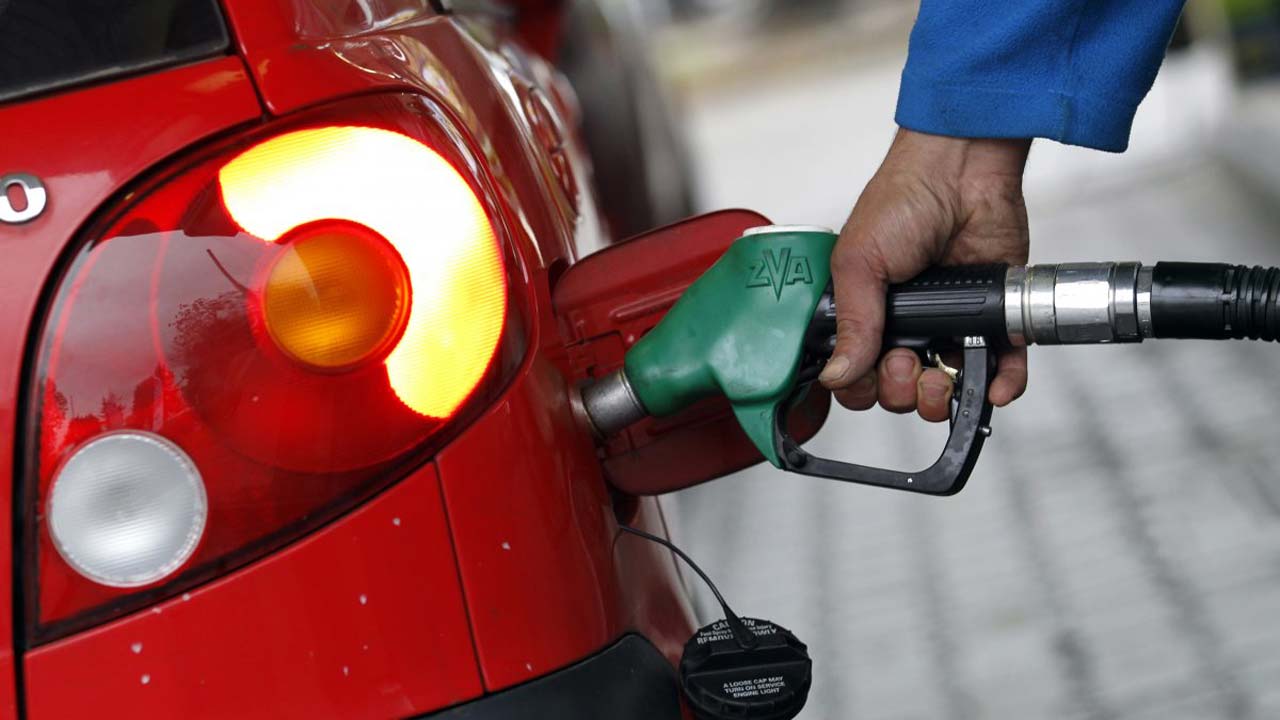
Fuel prices in Nigeria are spiraling towards the N1,000 per litre mark, leaving citizens overwhelmed and triggering a fresh round of finger-pointing between petroleum marketers and fuel station owners over who is responsible for the relentless hikes.
On Monday, pump prices at Nigerian National Petroleum Company Limited (NNPCL) stations saw a sharp increase, with outlets in Abuja, Nasarawa, and Kogi adjusting rates from N890 per litre over the weekend to N955 per litre. This jump has intensified public frustration as Nigerians now pay significantly more for fuel within a matter of days.
Independent marketers, including major players like Ranoil, AA Rano, Shema, Empire Energy, and Optima, had already adjusted their pump prices in Abuja over the weekend, pushing rates to between N950 and N971 per litre. The widespread adjustments have left consumers caught in a pricing crisis with no clear end in sight.
Ironically, global crude oil prices have been on a downward trend, with Brent crude trading at $68.70 per barrel and West Texas Intermediate (WTI) dropping to $66.24 per barrel. Despite these global declines, domestic fuel prices have continued to surge, igniting debates over the actual cause of Nigeria’s local fuel inflation.
Key players in the downstream oil sector are offering differing explanations. The Independent Petroleum Marketers Association of Nigeria (IPMAN) has blamed the surge on the depreciating value of the Naira, emphasizing that the foreign exchange crisis is pushing depot owners to adjust their ex-depot prices. In contrast, the Petroleum Products Retail Outlets Owners Association of Nigeria (PETROAN) has criticized the pricing model implemented by Dangote Refinery, claiming it has distorted the local market and fueled unnecessary price increases.
Chinedu Ukadike, IPMAN’s spokesperson, explained that the deregulation of Nigeria’s oil sector means fuel prices are now subject to market forces of demand and supply. He cited recent price adjustments by depots and the Dangote Refinery as major contributors to the current hikes. “Depot owners and Dangote have reviewed their ex-depot prices upwards, and the unstable Dollar rate is at the heart of it,” Ukadike said.
Ukadike also noted that Dangote Refinery, which imports a significant portion of its crude supply, is likely adjusting prices in response to international crude costs. As of Friday, ex-depot prices stood at N858 per litre for Dangote Refinery, N870 for NIPCO, N865 at Ranoil, and N855 for Aiteo.
On the other hand, PETROAN President Billy Gillis-Harry criticized Dangote Refinery’s pricing structure, describing it as flawed and unsustainable. He argued that until Nigeria adopts a transparent and structured fuel pricing mechanism, consumers will continue to suffer from erratic price hikes. “What we need is a fair and regulated pricing model. The current approach lacks transparency and is hurting Nigerians,” Gillis-Harry said.
As the debate rages on, Nigerians are left to bear the brunt of rising transportation costs, higher commodity prices, and deepening economic strain, all fueled by the unrelenting surge in petrol prices.