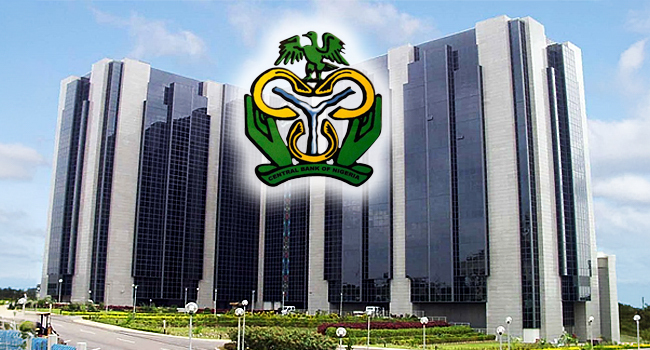
The Central Bank of Nigeria (CBN) has reassured Nigerians that its ongoing economic reforms are beginning to yield tangible results, bringing the country closer to achieving lasting price and monetary stability.
For over a decade, inflation and currency instability have deepened economic hardship across Nigeria. But according to the apex bank, recent policy actions are starting to restore balance to the financial system and strengthen public confidence.
Speaking in Uyo on Tuesday during a fair themed “Driving Alternative Payment Channels as Tools for Financial Inclusion, Growth and Accelerated Economic Development,” CBN Governor, Olayemi Cardoso, said the bank’s commitment to stabilising the economy remains unwavering.
Represented by Mrs. Hakama Sidi Ali, Acting Director of the Corporate Communications Department, Cardoso revealed that the CBN’s exchange rate unification policy has helped reduce volatility in the foreign exchange market and cleared more than $7 billion in verified forex forward backlogs.
He also explained that the introduction of the BMatch System for forex trading has enhanced transparency, improved price discovery, and fostered more consistent trading activities across market participants — a development expected to further strengthen the financial market.
Highlighting additional reforms, Cardoso said the CBN’s Bank Recapitalisation Programme will position Nigerian banks to compete globally and support the government’s ambition of achieving a $1 trillion economy.
Other key initiatives include the Non-Resident BVN Project, which allows Nigerians abroad to access local banking services; the Nigeria Payments System Vision 2028 (PSV 2028), which aims to accelerate digital transformation and expand financial inclusion; and the introduction of a 75 percent Cash Reserve Ratio (CRR) on non-TSA public sector deposits to improve liquidity management and reduce inflationary pressures.
Cardoso noted that the CBN Fair was designed to raise public awareness about the bank’s initiatives, enhance financial literacy, and encourage responsible money habits. He also appealed to citizens to treat the Naira with respect.
“The Naira is a symbol of our national pride. I urge everyone to handle it with care—avoid spraying, hawking, mutilating, or counterfeiting it,” he said.
In her welcome address, Njideka Nwabukwu, the CBN Branch Controller in Uyo, said the event was part of the bank’s effort to engage Nigerians directly, receive feedback, and improve the delivery of financial policies.
She reaffirmed the CBN’s commitment to supporting Akwa Ibom State’s economic aspirations through financial education, stakeholder collaboration, and improved payment systems.
“With consistent reforms and sound monetary management, the Central Bank continues to drive financial inclusion and sustainable economic growth across Nigeria,” she added.