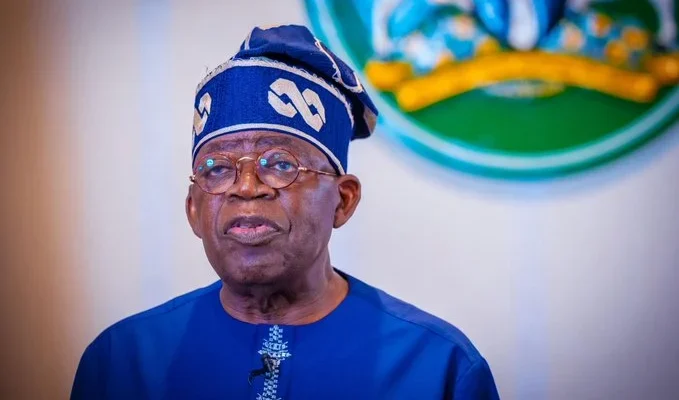
President Bola Tinubu has approved a wide-ranging presidential pardon for 175 individuals, including two of Nigeria’s most symbolic historical figures—Herbert Macaulay, the pioneer nationalist often regarded as the “father of Nigerian nationalism,” and the late Major-General Mamman Vatsa, a former Minister of the Federal Capital Territory executed under the Babangida regime.
The decision was reached during Thursday’s Council of State meeting at the State House, Abuja, following a presentation by the Attorney-General of the Federation and Minister of Justice, Lateef Fagbemi (SAN). Fagbemi conveyed the President’s recommendations based on findings from the Advisory Committee on the Prerogative of Mercy, which reviewed hundreds of petitions for clemency.
A top official at the meeting disclosed that the late Macaulay and Vatsa were among the most notable names on the list. Members of the Ogoni Nine and Ogoni Four—executed during the military regime of late General Sani Abacha—were also said to be among those granted posthumous mercy.
Herbert Macaulay’s name carries significant historical weight in Nigeria’s independence struggle. Convicted twice by colonial authorities, his first brush with the law came in 1913 when, as a practicing surveyor, he was jailed for allegedly mismanaging trust funds. His second conviction came in 1928, when his newspaper, The Lagos Daily News, published an article supporting the Eleko of Lagos during a political crisis. He was accused of sedition in what became known as the “Gunpowder Plot” and sentenced to six months’ imprisonment with hard labour. Historians have long argued that both convictions were politically motivated.
Similarly, Major-General Mamman Vatsa—a respected poet, writer, and senior military officer—was executed by firing squad on March 5, 1986, after being accused of plotting a coup against then military ruler Ibrahim Babangida, his childhood friend and coursemate. His controversial execution, following a secret military tribunal, has continued to stir debate for nearly four decades, with human rights advocates and writers repeatedly calling for a posthumous pardon.
According to official figures, 82 inmates received a full presidential pardon, 65 had their sentences reduced, while seven condemned prisoners on death row had their sentences commuted to life imprisonment.
Briefing journalists after the Council meeting, Kaduna State Governor Uba Sani described the clemency move as a reflection of President Tinubu’s commitment to justice, fairness, and reform within Nigeria’s correctional system. “Eighty-two individuals were granted full pardon, 65 had their sentences reduced, while seven death sentences were commuted to life imprisonment. This decision shows the President’s belief in restorative justice and second chances,” Sani explained.
In addition to the clemency approvals, the Council also confirmed two key national appointments. Dr. Aminu Yusuf from Niger State was named as the new Chairman of the National Population Commission, while Tonge Bularafa was approved as Federal Commissioner representing Yobe State. Both nominations received unanimous endorsement from the Council.
The latest exercise marks one of President Tinubu’s most symbolic gestures since assuming office, signalling a balance between justice reform and national reconciliation. By extending mercy to figures such as Macaulay and Vatsa, the President appears to be acknowledging Nigeria’s complex historical past while promoting unity and fairness within the justice system.