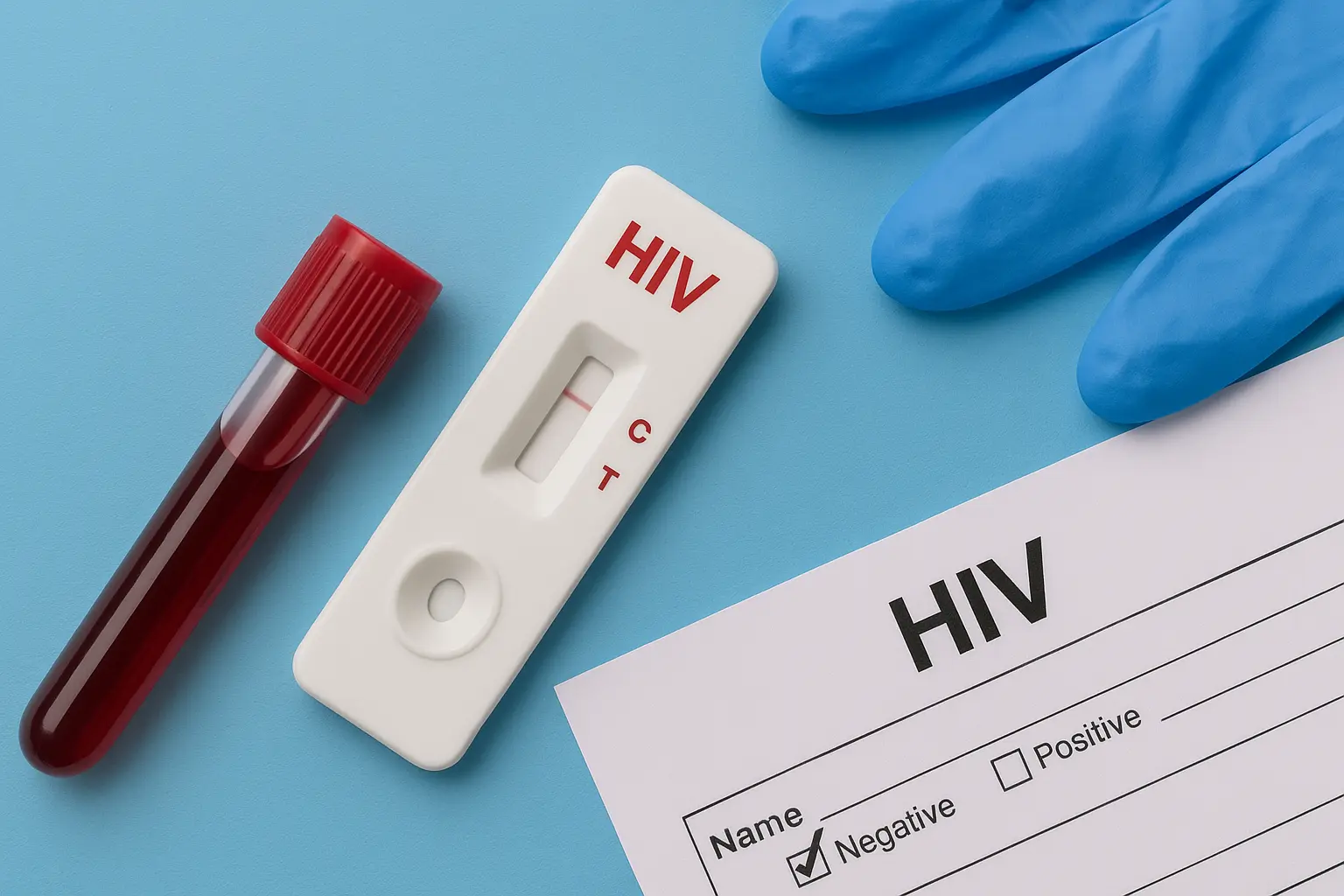
As the world marked the International Day of the Girl Child, health advocates and experts have raised deep concern over the growing number of HIV infections among young women, calling for urgent reforms in sexual education and adolescent empowerment programs across Nigeria and other parts of Africa.
The AIDS Healthcare Foundation (AHF) revealed that over 4,000 young women aged 15 to 24 contract HIV every week globally, with Sub-Saharan Africa accounting for more than 3,300 of those cases. The organization described the situation as a preventable crisis that requires collective action.
Speaking during a commemorative event in Uyo, Akwa Ibom State, the AHF Nigeria Country Programme Director, Dr. Echey Ijezie, said this year’s celebration themed “The Girl I Am, The Change I Lead: Girls on the Frontline of Crisis,” should serve as a reminder to prioritize the safety, health, and empowerment of girls.
Dr. Ijezie stressed that tackling the HIV epidemic among adolescents demands deliberate efforts from government and stakeholders to strengthen healthcare access, especially in the areas of sexual and reproductive health. He called for more investment in HIV prevention, testing, and treatment programs while also addressing period poverty, which continues to affect the confidence and well-being of many young girls.
He expressed worry that despite progress in awareness and healthcare delivery, many adolescent girls still face challenges such as poor menstrual hygiene, gender-based violence, early marriage, and limited access to education. According to him, these issues continue to expose them to greater health risks.
“Every week, thousands of young women are newly infected with HIV, and most of them live in Africa,” Ijezie said. “In 2023 alone, about 1.9 million adolescent girls and young women were living with HIV compared to 1.2 million boys of the same age group. Education and awareness remain the strongest tools to protect them.”
Delivering the keynote address, the Akwa Ibom State Commissioner for Women Affairs and Social Welfare, Mrs. Inibehe Silas Etukudo, commended the resilience of girls who continue to rise above the odds to make meaningful contributions in their communities. She described them as change-makers who transform crises into opportunities and pledged the state’s commitment to creating more initiatives that support their growth.
Etukudo revealed that the state government is working on securing funding and launching programs such as scholarships, empowerment schemes, and health initiatives to amplify girls’ voices and help them realize their potential.
Also speaking, the AHF State Coordinator, Dr. Ekemini Essien, lamented that girls remain disproportionately affected by HIV/AIDS and other forms of abuse compared to boys. He urged authorities to prioritize girl-child empowerment through education, self-awareness, and life skills that will enable them to thrive and contribute positively to society.
In her remarks, the AHF Linkage Coordinator in the state, Jessica Charles, explained that empowerment goes beyond financial independence. According to her, it also includes access to accurate information, quality healthcare, and the ability to make informed decisions. She encouraged young girls to speak up about their reproductive health and to resist all forms of abuse.
“This is not the time to stay silent about how you feel regarding your health,” she said. “Many girls are suffering in silence while their parents cover up cases of abuse. Please, speak up, because there are always people willing to fight for you.”
One of the participants, Rhoda Vincent, thanked AHF for supporting the girl-child initiative, particularly in areas of sexual health rights and gender equality. She advised her peers to stay consistent in pursuing their goals while maintaining proper menstrual hygiene.
The event concluded with the distribution of disposable and reusable sanitary pads, toiletries, and hygiene kits to young girls. Participants were also connected to mentorship and counseling opportunities designed to support their personal growth and leadership development.