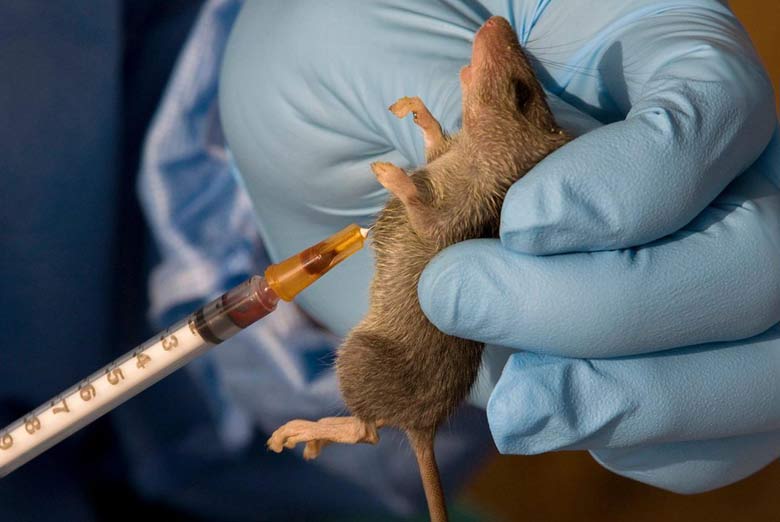
Health authorities in Kano State have issued an early warning to residents as Nigeria officially enters the 2025/2026 Lassa Fever season, a period known for increased transmission of the deadly viral disease.
The Kano State Centre for Disease Control (KNCDC) raised the alarm following a nationwide alert from the Nigeria Centre for Disease Control and Prevention (NCDC), which identified October to May as the high-risk period for Lassa Fever outbreaks across the country.
In a statement released by the agency’s Director General, Dr. Muhammad Adamu Abbas, the KNCDC urged residents to take preventive measures seriously, stressing that Kano’s climate and living conditions make it particularly susceptible to Lassa Fever cases.
“Residents should prioritise hygiene, keep their surroundings clean, and store food properly in sealed containers to prevent rodents from contaminating them,” Dr. Abbas advised. He also cautioned anyone experiencing prolonged fever or symptoms related to Lassa Fever to visit the nearest health centre immediately for proper diagnosis and treatment.
Lassa Fever is a viral infection commonly spread through contact with food or household items contaminated by the urine or faeces of infected rats. The disease can also spread from person to person through direct contact with the blood or body fluids of infected individuals.
Medical experts warn that the illness often begins with symptoms like persistent fever, sore throat, vomiting, chest or abdominal pain, diarrhoea, and in severe cases, unexplained bleeding. They also emphasise that early detection and treatment greatly increase the chances of survival.
To prepare for possible cases, the Kano State Government has reactivated its Public Health Emergency Operations Centre (PHEOC) for Lassa Fever response. The centre is stocked with personal protective equipment (PPE), antiviral medications, and other essential medical supplies. Health workers across the state are also undergoing refresher training on infection prevention and case management.
In addition, the KNCDC has launched community sensitisation campaigns and rodent control operations in identified high-risk communities. These initiatives are part of the state’s “One Health” approach, which integrates efforts from the health, environmental, and agricultural sectors to effectively combat disease outbreaks.
Dr. Abbas reassured residents that Lassa Fever is preventable and treatable if addressed promptly, urging everyone to remain vigilant and report any suspected cases immediately instead of attempting self-treatment.
“We can protect ourselves and our communities by taking simple preventive steps,” he said. “Together, we can ensure that Kano remains free from Lassa Fever this season.”