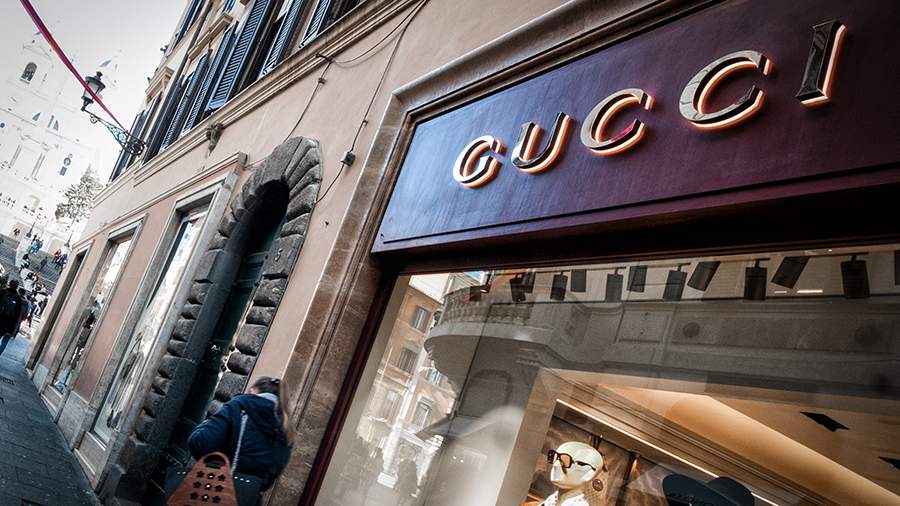
The European Union’s competition regulator has sanctioned three of the world’s most prestigious fashion houses — Gucci, Chloé, and Loewe — for engaging in unlawful pricing coordination with their retail partners. Together, the fines amount to €157 million ($182 million), marking one of the biggest antitrust penalties ever issued in Europe’s luxury sector.
The European Commission revealed that the brands manipulated how retailers priced and sold their goods, restricting their freedom to offer discounts or adjust prices independently. These actions, the Commission noted, undermined market competition and aimed to safeguard the brands’ own direct sales channels.
According to the findings, Gucci, owned by the French conglomerate Kering, received the heaviest sanction of €119.7 million. Chloé, part of Richemont’s portfolio, was fined €19.7 million, while Loewe, under LVMH, incurred a penalty of €18 million.
Investigators discovered that the companies imposed rules preventing retailers from reducing prices beyond certain limits, deviating from suggested price lists, or holding sales outside designated periods. Such tactics effectively dictated retail strategies, which the Commission described as “clear violations of EU competition law.”
Kering responded by stating that the matter had been settled through a cooperation process with EU regulators and that the financial repercussions were already reflected in the firm’s first-half 2025 reports.
Meanwhile, Loewe confirmed its settlement with the Commission, emphasizing its dedication to “upholding the highest standards of antitrust compliance.” LVMH, Loewe’s parent company, is expected to release its third-quarter earnings shortly.
Chloé also acknowledged the case, stressing that it treats the issue with “the utmost seriousness” and has strengthened its compliance framework since the investigation began in 2023.
The penalties come at a time when European luxury labels are facing broader criticism for ethical and labour-related practices within their global operations. Italian authorities have recently probed high-end fashion companies such as Armani, Dior, Loro Piana, and Tod’s over alleged worker exploitation. In parallel, several major fashion groups are contending with data breaches that have exposed sensitive information about their elite clientele.
The Commission stated that this latest action underscores the EU’s commitment to protecting fair market competition — even among the world’s most glamorous brands.