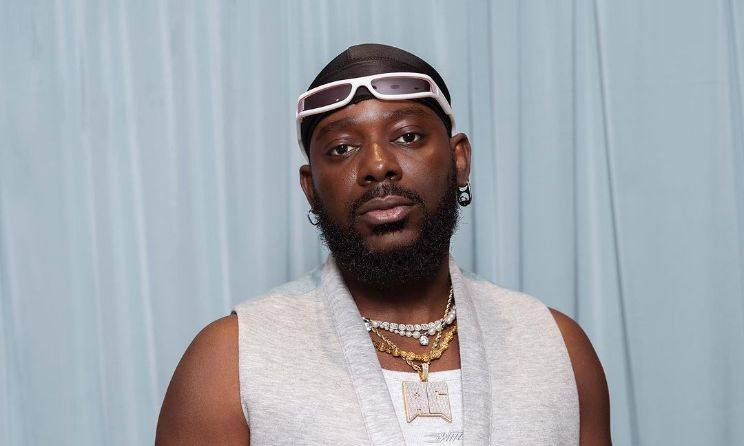
Nigerian music star Adekunle Gold has shared a deeply personal aspect of his life, revealing that he continues to live with sickle cell disease. The singer, who has captivated audiences with his soulful music, took to social media through a recent interview to discuss the ongoing challenges he faces.
At 38 years old, Adekunle Gold explained that while he experiences fewer crises than in his childhood, the disease still causes him significant pain. “I still have crises,” he admitted, highlighting the reality of living with a lifelong condition.
He reflected on the early onset of his health struggles, recalling a vivid childhood memory. “The first time I noticed I had sickle cell was one night when I fell very sick. My dad wasn’t home, and my mum carried me on her back for miles to reach the hospital. That’s when the doctor told me I would need folic acid and B complex supplements for life,” he shared.
Adekunle Gold described the painful episodes, known as crises, which include severe joint pains, leg aches, and sometimes abdominal discomfort. Despite the challenges, he credits proper self-care and access to resources for helping him manage the condition more effectively as an adult.
Beyond sharing his personal story, the musician is using his platform to raise awareness about sickle cell disease and the importance of genotype testing. “Many people don’t know about it, and important organizations aren’t doing enough. Sickle cell happens when both parents have the SS genotype, which is why knowing your genotype is so important. It can prevent more children from being affected,” he explained.
Adekunle Gold’s candid discussion sheds light on a condition that affects millions, particularly in Nigeria, where awareness remains crucial. His advocacy emphasizes that knowledge and early action can make a significant difference in managing the disease and preventing future cases.
Through his story, the award-winning artist encourages others to take their health seriously while inspiring hope for those living with sickle cell. “I’m grateful to God for the resources to take care of myself and manage these crises,” he concluded.