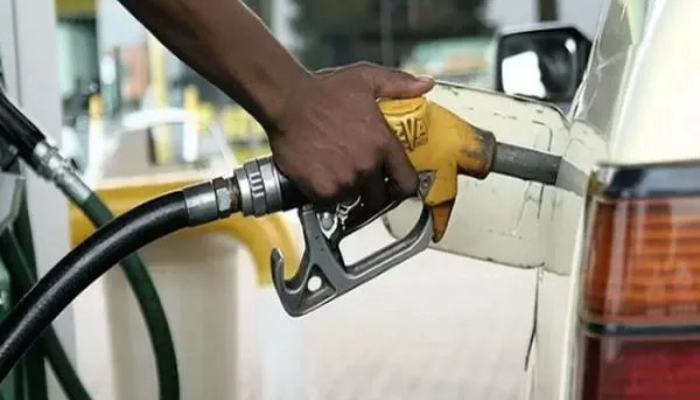
The Federal Government of Nigeria has announced the suspension of the 15 percent import duty on petrol (PMS) and diesel, following growing public and industry concerns that the policy could worsen fuel prices and inflation.
The decision was confirmed in a statement released by the Nigerian Midstream and Downstream Petroleum Regulatory Authority (NMDPRA), and signed by its Director of Public Affairs, George Ene-Ita.
In October 2025, President Bola Ahmed Tinubu approved a 15% ad-valorem import tax on PMS and diesel as part of a new tariff framework designed to encourage local refining and boost government revenue. However, the policy quickly drew criticism from stakeholders in the oil and gas sector, who warned that the levy could lead to higher pump prices, increased import costs, and further strain on consumers amid rising inflation.
The import duty was originally introduced to support emerging refineries, including the Dangote Petroleum Refinery and other modular plants, as part of efforts to reduce Nigeria’s dependence on imported fuel. But industry experts argued that the move was premature, considering that domestic refineries are yet to reach full production capacity.
In its latest announcement, the NMDPRA clarified that the implementation of the 15% import duty has been suspended indefinitely, assuring Nigerians of adequate fuel supply across the country.
“There is a robust domestic supply of petroleum products — including petrol, diesel, and LPG — sourced from both local refineries and imports. These are being distributed across depots and filling stations to ensure stability during this period of high demand,” the statement read.
The Authority also cautioned fuel marketers against hoarding, panic buying, or arbitrary price hikes, emphasizing that the government will continue to monitor the market closely to prevent supply disruptions.
“The 15% ad-valorem import duty on imported petrol and diesel is no longer in view. The Authority will maintain strict oversight to ensure uninterrupted distribution nationwide,” the statement added.
Analysts have welcomed the suspension as a short-term relief for both marketers and consumers, noting that it could help stabilize pump prices and ease inflationary pressure while the government works toward achieving self-sufficiency in local refining.