As debates around nuclear power and uranium enrichment intensify globally — particularly amid renewed tensions between Iran and Israel — the spotlight has shifted to the countries actually supplying the uranium that powers reactors and, potentially, weapons programs.
Despite concerns over Iran’s growing stockpile of highly enriched uranium, which the International Atomic Energy Agency (IAEA) warns is nearing weapons-grade levels, the country does not feature on the list of top uranium producers. Instead, global uranium supply remains concentrated in a select group of nations, many of which have invested heavily in extraction technologies and international partnerships.
According to a recent report by Investing News, these are the top 10 uranium-producing countries in the world, based on latest available production data:
1. Kazakhstan — 21,227 metric tons
Kazakhstan continues to dominate the uranium market, producing more than any other nation. The country relies primarily on in-situ leaching — a cost-effective and environmentally safer method of extraction. State-owned Kazatomprom manages most of the output and collaborates extensively with foreign partners.
2. Canada — 7,351 metric tons
Canada is home to some of the world’s richest uranium reserves, with major production sites at Cigar Lake and McArthur River in Saskatchewan. Operated by Cameco, these mines are expected to yield around 18 million pounds of uranium in 2025. Canada’s strong regulatory environment and high-grade ores make it a reliable producer.
3. Namibia — 5,613 metric tons
Namibia is Africa’s top uranium producer, with three key mines: Husab, Rossing, and Langer Heinrich. Rossing is one of the oldest open-pit uranium mines globally, while Husab, operated by China General Nuclear, ranks among the highest in output.
4. Australia — 4,087 metric tons
Though uranium in Australia is mainly extracted as a by-product — notably from the Olympic Dam site — the country remains a major player. With vast untapped reserves and stable production, Australia maintains a strong presence in the global market.
5. Uzbekistan — 3,300 metric tons
Uzbekistan has emerged as a significant supplier, thanks to its state-managed operations and partnerships with China and French firm Orano. Continued foreign investment is helping the country expand its uranium mining capacity.
6. Russia — 2,508 metric tons
Despite facing international sanctions, Russia remains a key uranium producer. Its Priargunsky mine, managed by Rosatom subsidiary ARMZ, has exceeded production targets, and new sites are being explored to further boost supply.
7. Niger — 2,020 metric tons
Niger accounts for roughly 5% of global uranium production. Recent developments, including the approval of the Moradi uranium project, are aimed at enhancing the country’s role in the international uranium market. The Agadez region remains central to its mining activities.
8. China — 1,700 metric tons
China is focused on increasing domestic uranium supply while also partnering globally. A new method of uranium extraction from seawater — using uranium-binding compounds and hydrogel beads — is being explored to reduce reliance on imports.
9. India — 600 metric tons
India is investing in its nuclear future, with uranium production forming a key part of its long-term energy strategy. Though its current output is low, the government has ramped up infrastructure development to support nuclear power expansion.
10. South Africa — 200 metric tons
South Africa is working to revive and expand its uranium industry. While production remains modest, government-led initiatives aim to improve mining efficiency and boost output over the coming years.
A Critical Resource in a Volatile World
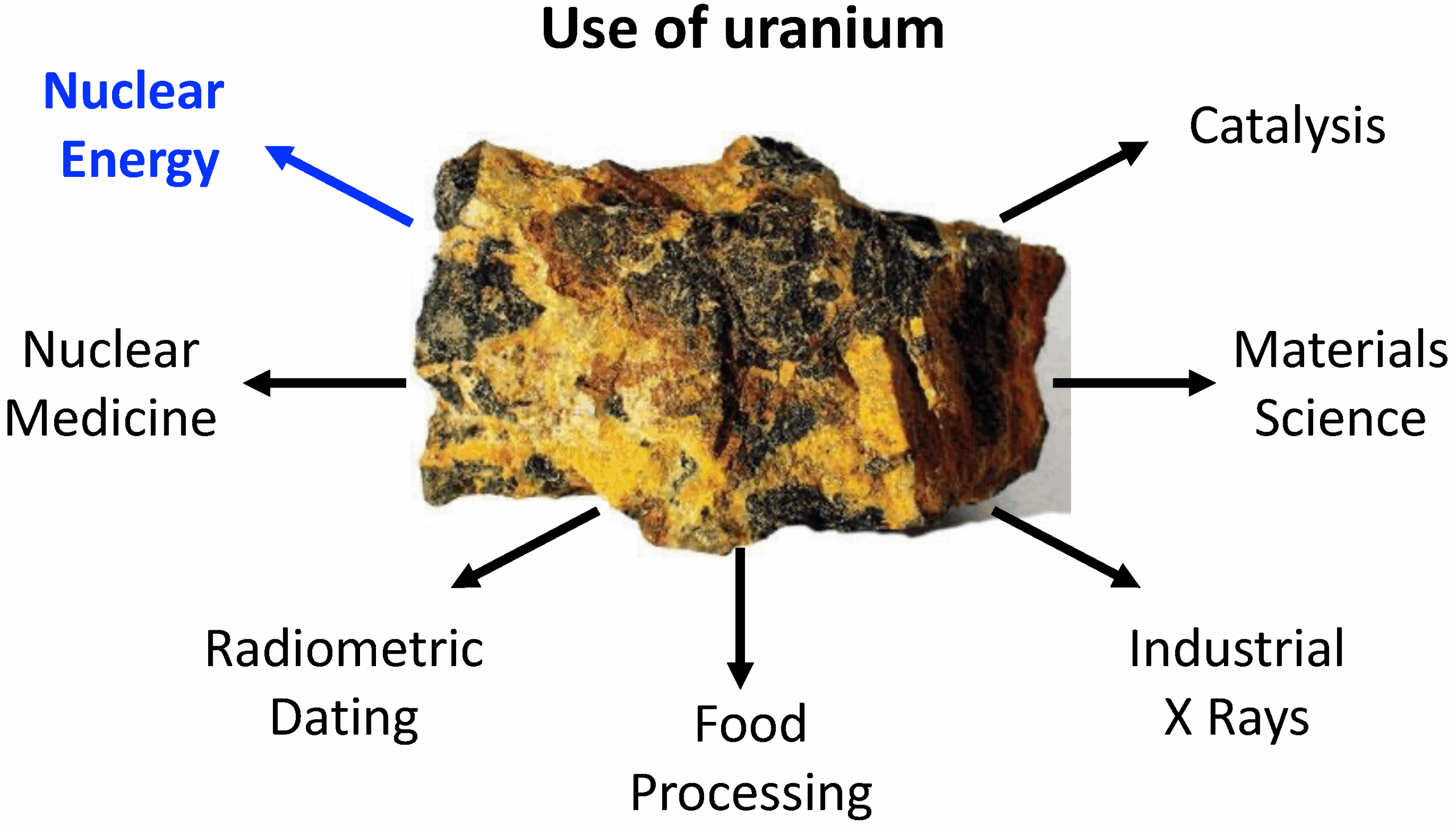
While nations like Iran dominate headlines over enrichment programs, it is these 10 countries that actually power the global nuclear ecosystem — from electricity generation to industrial and medical applications.
As demand for clean energy rises and global security dynamics shift, uranium’s strategic importance is only set to grow — and with it, the influence of the countries that control its supply.