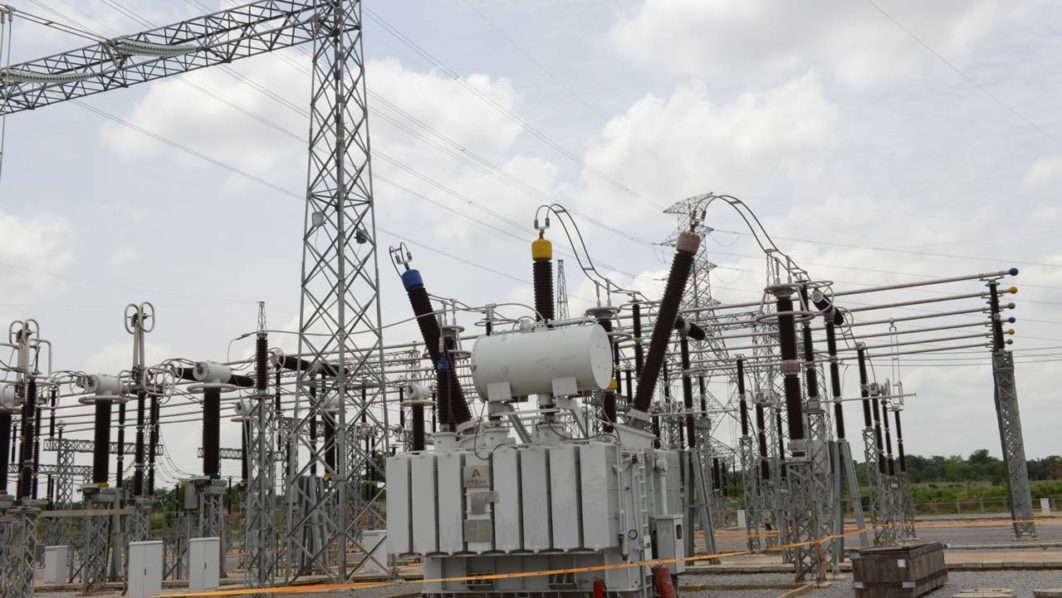
Nigeria was thrown into widespread blackout on Monday, December 29, 2025, following the fourth collapse of the national power grid this year, intensifying concerns over the country’s fragile electricity infrastructure.
The latest system failure, which occurred at about 2:02 p.m., disrupted electricity supply across several states, including Abuja, Nasarawa and Kogi, according to the Abuja Electricity Distribution Company (AEDC). The outage affected households and businesses nationwide, compounding losses for firms heavily reliant on grid power.
In an update later on Monday, the Nigerian National Grid announced gradual restoration, with total power generation rising from about 50 megawatts shortly after the collapse to 2,958MW as of 10:17 p.m. Power allocation was subsequently shared among distribution companies, including Ikeja, Eko, Ibadan, Benin, Enugu, Port Harcourt, Kano, Kaduna, Jos and Yola DisCos.
Despite the restoration efforts, electricity supply remained largely unavailable to many Nigerians late into the night, as several distribution companies confirmed persistent blackouts.
The December incident marks the fourth grid collapse in 2025, following similar occurrences on February 12, March 7 and September 10. In contrast, the national grid reportedly collapsed more than 12 times in 2024, underscoring Nigeria’s long-standing power sector challenges.
Reacting to the latest development, Dr Muda Yusuf, Chief Executive Officer of the Centre for the Promotion of Private Enterprise (CPPE), described the situation as disappointing, warning that prolonged outages could result in massive losses for businesses.
“We thought we had gone past this, especially given the relative stability recorded this year. Ending the year with a grid collapse is troubling,” Yusuf said, urging authorities to ensure swift restoration.
Similarly, former spokesperson of AEDC, Oyebode Fadipe, expressed concern that the collapse occurred during a festive period when electricity demand is typically low due to reduced industrial activity.
While noting that lower demand usually reduces pressure on the grid, Fadipe explained that major technical faults or external disruptions, such as gas pipeline vandalism, could still trigger system failures. He added that recurring collapses point to deeper structural problems within the Nigerian Electricity Supply Industry (NESI).
Fadipe warned that without decisive reforms, grid instability may persist into 2026, stressing the need for stronger policies to prevent further setbacks in the power sector.
The latest outage comes amid criticism of the Minister of Power, Adebayo Adelabu, who failed to meet his pledged target of 6,000MW electricity generation in 2025.