Israel has ordered 37 international humanitarian organisations to wind down their operations in the Gaza Strip, citing non-compliance with newly enforced security and transparency rules, a decision that has triggered widespread condemnation from global aid agencies and United Nations officials.
The decision, announced Thursday by the Ministry of Diaspora Affairs and Combating Antisemitism, follows the expiration of a 10-month deadline given to foreign NGOs to submit detailed information about their local employees and internal operations. Israeli authorities say the affected organisations failed to meet the requirements.
According to the ministry, the groups were formally notified that their operating licences would be revoked effective January 1, 2026, with a final deadline of March 1 to cease all activities in Gaza.
Israeli officials argue the measures are necessary to prevent humanitarian organisations from being exploited by militant groups operating in Palestinian territories.
“The failure to provide complete and verifiable employee information presents a serious security risk,” the ministry said, adding that the policy is designed to block the infiltration of extremist elements into aid structures.
Amichai Chikli, Israel’s Minister of Diaspora Affairs and Combating Antisemitism, defended the move, insisting that humanitarian work remains welcome if conducted within the new framework.
“Humanitarian assistance is not the issue,” Chikli said. “The misuse of aid organisations for terror-related purposes is.”
Among the organisations affected are major international charities, including Doctors Without Borders (MSF), World Vision International, and Oxfam.
Israel has accused MSF of employing individuals allegedly linked to Palestinian armed groups Hamas and Islamic Jihad. The organisation has rejected the allegation, warning that handing over staff lists could violate international humanitarian law and reiterating that it does not knowingly employ anyone involved in military activity.
The announcement has drawn swift backlash. A coalition of 18 Israeli civil society organisations described the policy as an attack on humanitarian neutrality, while UN human rights chief Volker Türk warned that the ban could significantly worsen civilian suffering in Gaza.
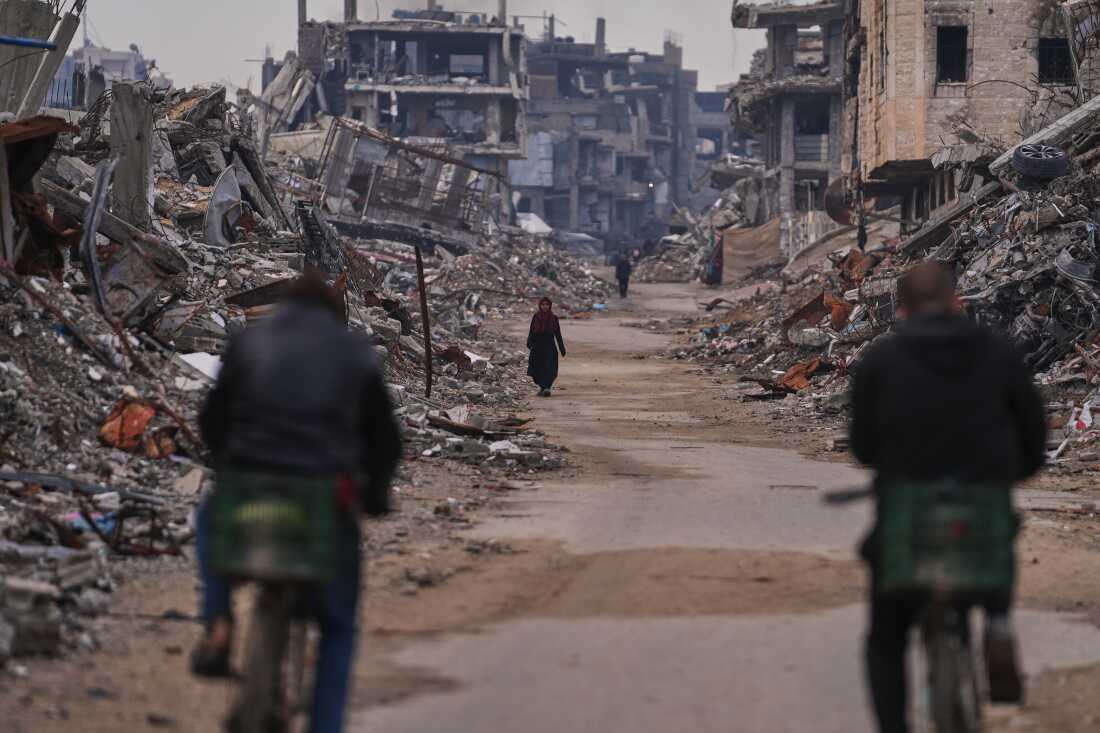
UN officials say humanitarian conditions in the territory remain critical despite a fragile ceasefire that followed months of conflict. According to UN data, widespread destruction and mass displacement continue to strain access to food, healthcare, and shelter for Gaza’s population.