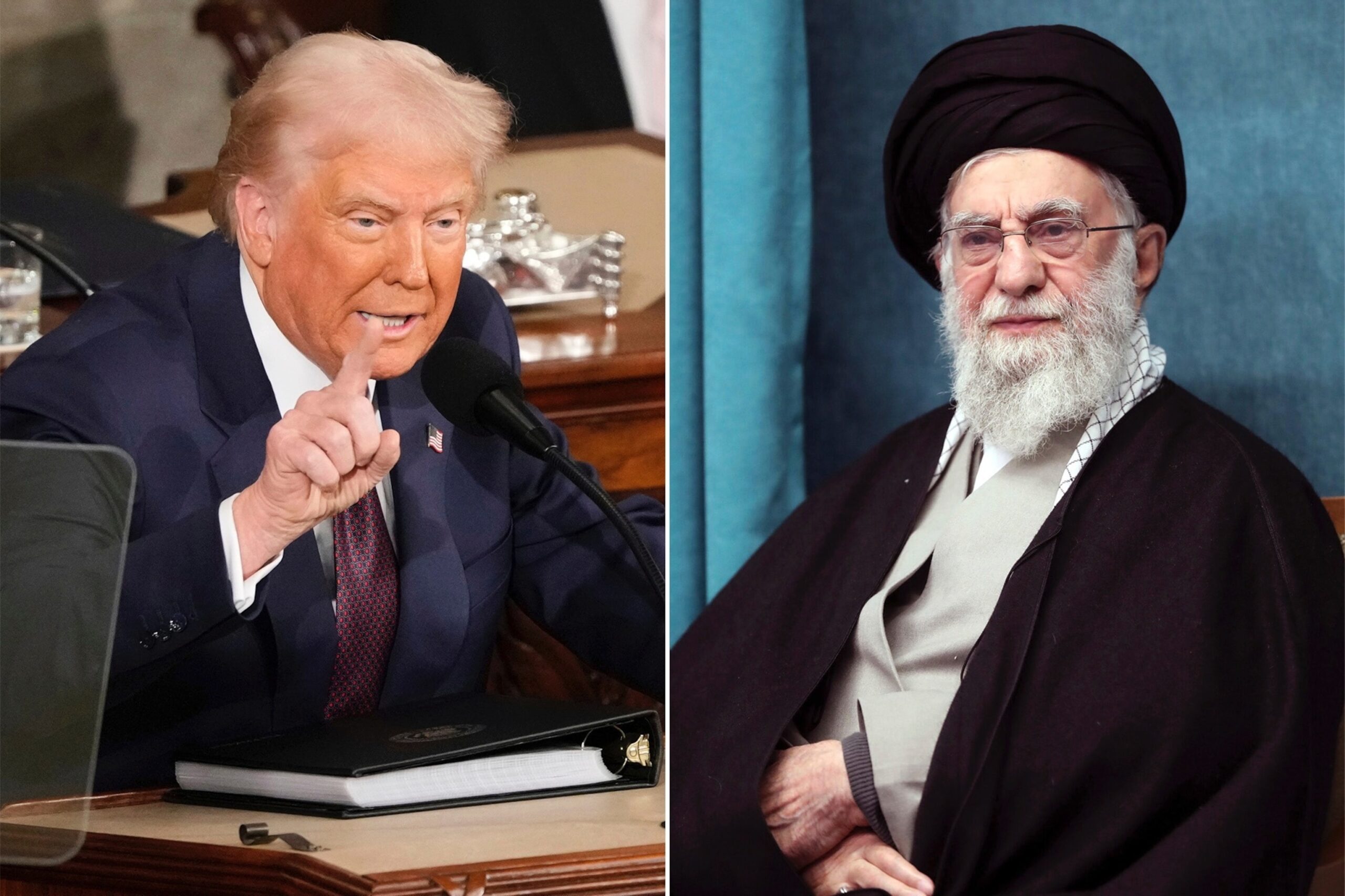
Iran has said it remains open to diplomatic engagement with the United States but is fully prepared for war if circumstances demand, as tensions escalate amid widespread anti-government protests and renewed warnings of possible US military intervention.
Iranian Foreign Minister Abbas Araqchi made the remarks on January 12 while addressing foreign ambassadors in Tehran, stressing that Tehran is “not looking for war” but would defend itself if attacked. His comments followed statements by US President Donald Trump, who said Washington was considering “very strong options” against Iran.
Iran has been gripped by nationwide protests for nearly three weeks, triggered by surging prices and the sharp depreciation of the Iranian rial. The demonstrations, which began in late December, have spread across major cities and dozens of towns, posing one of the most significant challenges to Iran’s clerical leadership in recent years.
Human rights groups have reported high casualties since the protests erupted. Norway-based Iran Human Rights said it has verified at least 192 deaths, while the US-based Human Rights Activist News Agency claimed more than 500 people have been killed and over 10,600 arrested nationwide. Iranian authorities have yet to release official figures.
An internet blackout imposed by the government on January 8 has further limited access to information from within the country, making independent verification of events increasingly difficult.
Demonstrations in solidarity with Iranian protesters have also been reported in several international cities, including London and Los Angeles. In Los Angeles, a vehicle rammed into a crowd during a rally on January 11, prompting emergency response and investigations by local authorities.
Araqchi said the situation inside Iran was “under total control,” accusing what he described as terrorist elements of exploiting Trump’s rhetoric to incite violence and draw foreign intervention. Iranian officials have repeatedly blamed the United States and Israel for fueling unrest in the country.
President Trump, however, warned Iran’s leadership against the killing of protesters and said on January 11 that US military planners were reviewing potential responses. He also claimed Iranian officials had reached out to request talks and that a meeting had been scheduled, though he suggested action could still be taken before negotiations begin. According to Trump, discussions would include Iran’s controversial nuclear programme.
Iranian Foreign Ministry spokesperson Esmaeil Baghaei confirmed that communication channels between Tehran and Washington remain open through Switzerland, which has long acted as an intermediary. He said Iran “never left the negotiating table” but accused the US of sending mixed and contradictory signals.
Meanwhile, Iran’s Parliament Speaker Mohammad Baqer Qalibaf, speaking to supporters at Tehran’s Enqelab Square, said the country was facing pressure on multiple fronts, including economic, psychological and military challenges, as well as what he described as a broader war against terrorism.
Araqchi also alleged that dozens of mosques and ambulances had been set ablaze since the unrest began, insisting such acts were not carried out by ordinary Iranians.
As diplomatic signals and military warnings continue to intersect, analysts say the coming days could prove critical in determining whether tensions between Tehran and Washington ease through dialogue or escalate into open confrontation.