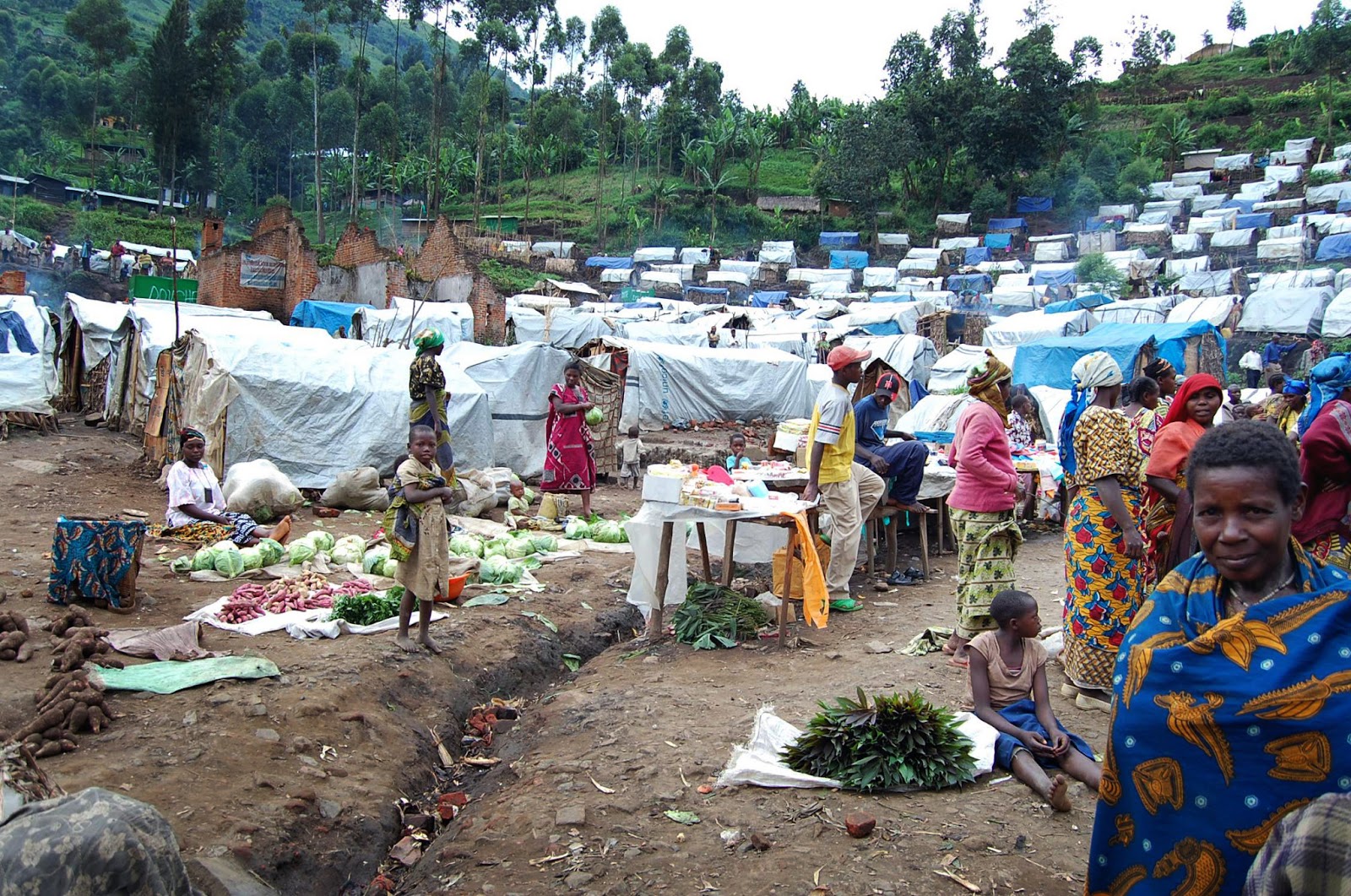
The World Bank has approved up to $12 million in performance-based financing for Nigerian states hosting internally displaced persons (IDPs), as part of a broader $300 million concessional credit aimed at improving data management and long-term integration of displaced populations.
The funding falls under the Solutions for the Internally Displaced and Host Communities Project, approved on August 7, 2025, and is designed to close critical data gaps on internal displacement while strengthening state-level development planning. Disbursements will be strictly tied to independently verified results, marking a shift from traditional lending to outcome-driven financing.
According to project documents, the $12 million allocation is linked to Performance-Based Condition Two, which rewards states that successfully register and profile IDPs living within host communities. The funds will be released over a three-year period, with payments increasing as states meet progressively demanding benchmarks.
In the first year, participating Tier 1 and Tier 2 states are required to begin IDP registration and profiling in selected host communities and complete demographic and vulnerability assessments in at least two wards. States that meet this initial threshold will receive $250,000.
By the second year, Tier 1 states must carry out intention surveys, stability index assessments, and detailed analyses of displacement drivers, socioeconomic impacts, migration pressures, and risks related to trafficking and smuggling. Completion of these requirements will unlock an additional $500,000 per qualifying state.
The largest tranche will be released in the third year, when states achieve registration and profiling of at least 80 percent of IDPs in host communities. States meeting this target will receive $500,000, bringing the total allocation under this condition to $12 million. By the fourth year, displacement-related data gaps are expected to be fully addressed, although no additional payments are tied to that phase.
The financing agreement also includes two other performance-based conditions. Performance-Based Condition One, valued at up to $9 million, focuses on strengthening asset management at the local government level. Participating Tier 1 states must issue asset inventory guidelines and operations and maintenance standards aligned with international benchmarks, followed by audits and approvals.
Performance-Based Condition Three, with a total allocation of $12 million, targets the long-term integration of IDPs. States are required to facilitate access to legal documentation such as birth, marriage, education, residence certificates, and driving licences. Additional milestones include legalising transparent land and property transfers to IDPs, establishing mechanisms to prevent tensions with host communities, and expanding access to skills, livelihoods, and infrastructure programmes.
Eligibility for participation is limited to states meeting strict criteria. Tier 1 states must host more than 150,000 IDPs, representing over two percent of their population, while Tier 2 states qualify with at least 100,000 IDPs or more than one percent of their population. States must also sign subsidiary agreements with the federal government and adopt approved security management plans. All performance claims will be verified by independent agents acceptable to the World Bank, which retains the right to withhold or reallocate funds if targets are not met.
The wider $300 million credit will support infrastructure development, livelihoods, institutional strengthening, and project management across northern Nigeria. Repayment is scheduled to begin on January 15, 2031, with semi-annual payments running until July 15, 2050. The World Bank Group remains Nigeria’s largest external creditor, accounting for $19.39 billion, or 41.3 percent, of the country’s total external debt.