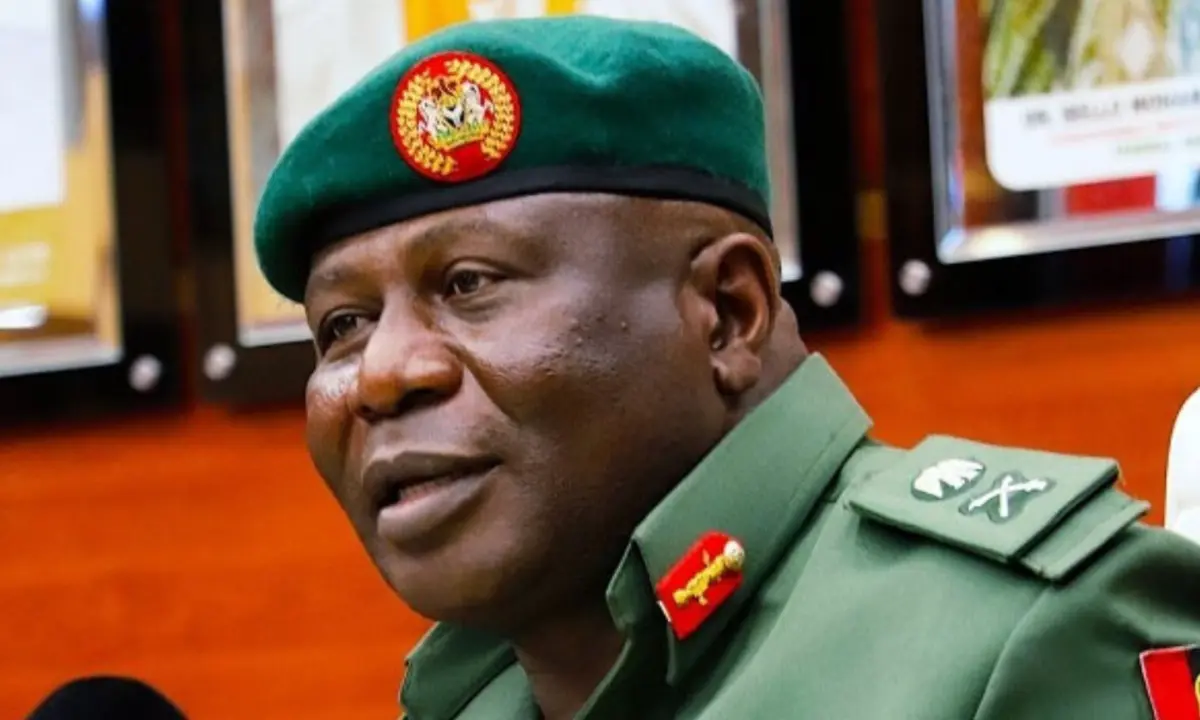
The Defence Headquarters has announced plans to deploy a new Joint Special Task Force to Kwara State and parts of neighbouring Niger State as part of renewed efforts to curb terrorist and criminal activities in the region.
Nigeria’s Chief of Defence Staff (CDS), Gen. Olufemi Oluyede, disclosed this on Tuesday during the 2026 defence budget session organised by the House of Representatives Committee on Defence in Abuja. He said the task force, code-named Operation Savanah Shield, is aimed at strengthening security in areas facing emerging threats.
According to the CDS, while notable improvements have been recorded in the North-East, security challenges persist in the North-West and North-Central regions, necessitating a reallocation of military resources.
“We are evolving modalities to checkmate these challenges within the resources available to us,” Oluyede said. “A new set of special forces has already been trained and deployed to Benue and Plateau States. We are about to deploy another joint task force to cover Kwara and some parts of Niger State to ensure the situation improves.”
He added that a joint task force commander has been appointed and that resources are being drawn from other formations to ensure effective coverage of the affected areas.
Oluyede acknowledged that the armed forces alone cannot guarantee security nationwide and stressed the need for closer collaboration with the Nigeria Police Force and the Nigeria Security and Civil Defence Corps. He also called on citizens to support security agencies through timely intelligence and to refrain from aiding criminal elements.
Earlier, Chairman of the House Committee on Defence, Rep. Benson Babajimi, described defence and security as critical pillars of national development. He commended the armed forces for degrading terrorist enclaves and confronting insurgency but noted that persistent threats require deeper institutional reforms and better coordination.
“No nation can achieve sustainable development without safeguarding lives, property and critical national assets,” Babajimi said, adding that increased budgetary allocations must deliver measurable results, transparency and accountability.
He further called for a broader, non-military approach to addressing insecurity, citing factors such as poverty, youth unemployment, illiteracy, weak local governance and misinformation as drivers of violence. According to him, the 2026 defence budget should balance ongoing military operations with long-term peacebuilding, personnel welfare, equipment modernisation and the sustainability of security interventions.