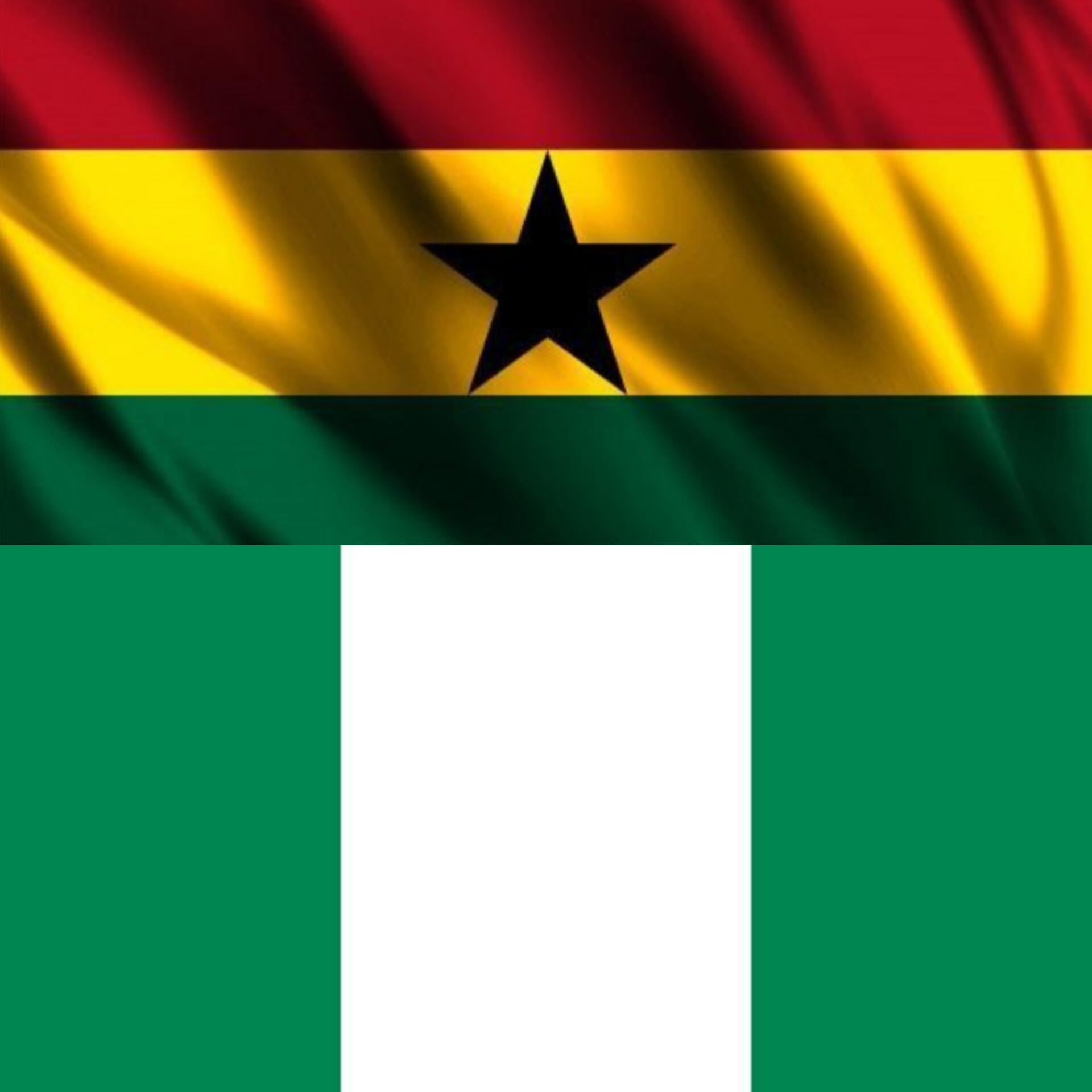
Regional operators advance coordination to integrate electricity networks across ECOWAS, targeting a fully synchronised grid by 2026
West African countries, including Nigeria and Ghana, are accelerating efforts to establish a fully synchronised regional electricity grid, in what energy officials describe as a critical step toward improving power reliability and cross-border electricity trade.
Recent engagements between the Nigerian Independent System Operator (NISO) and the West African Power Pool (WAPP) have focused on advancing technical coordination ahead of the next phase of grid synchronisation, expected to reach a key milestone by mid-2026.
The initiative aims to transition from loosely connected national grids to a unified system operating at a single frequency, requiring strict alignment on operational standards such as voltage control, system stability, and real-time coordination between countries.
The push builds on earlier progress made in November 2025, when a successful synchronisation test connected Nigeria’s grid—alongside parts of Niger, Benin, and Togo—with the wider West African network. The test demonstrated the technical feasibility of running multiple national grids as a single system and marked a major milestone toward regional energy integration.
Energy experts say a fully synchronised grid would allow countries to share electricity reserves, reduce generation costs, and strengthen supply stability across the region. It is also expected to support the development of the West African Electricity Market, enabling real-time power trading between member states.
In parallel, infrastructure projects such as the WAPP North Core transmission network are nearing completion, further strengthening interconnections and improving the capacity for electricity exchange across borders.
Despite progress, challenges remain, including infrastructure gaps, security concerns in some project areas, and the need for sustained political and financial commitment from participating countries.
The West African Power Pool has set a target of achieving permanent synchronisation across all participating countries by June 2026, a move expected to reshape the region’s energy landscape.
As coordination efforts intensify, stakeholders say the success of the unified grid will depend on sustained collaboration and timely execution of ongoing projects.