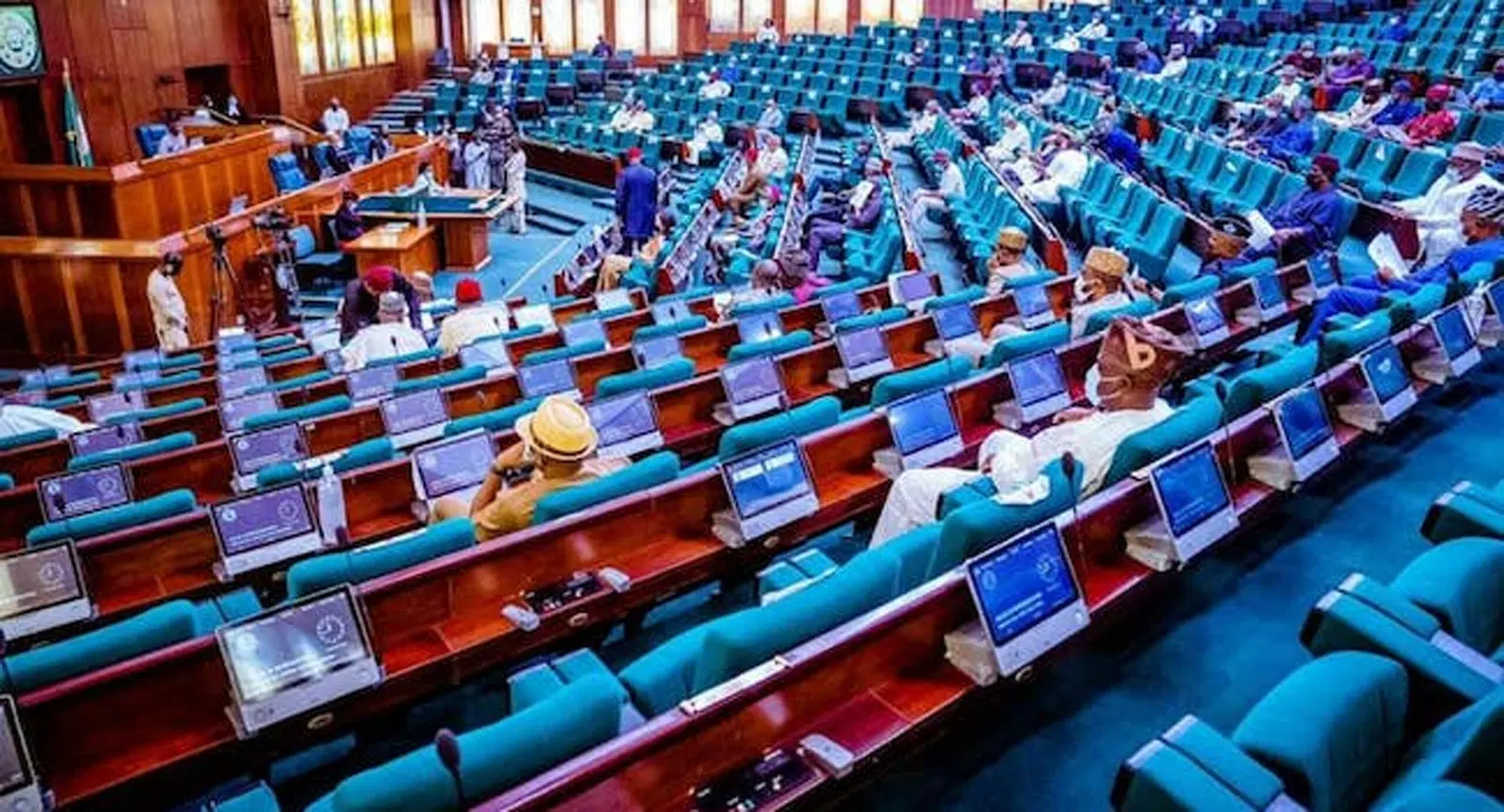
A new 2026 Social Cohesion Report by the Africa Polling Institute (API) says the National Assembly has become Nigeria’s least trusted public institution, replacing the Nigeria Police Force at the bottom of the trust rankings.
The National Assembly has emerged as the least trusted public institution in Nigeria, overtaking the Nigeria Police Force, according to the newly released 2026 Social Cohesion Report by the Africa Polling Institute (API). The report found that 77 per cent of Nigerians expressed little or no trust in the National Assembly, while confidence in the institution stood at 23 per cent.
The report was unveiled in Abuja by the Executive Director of the Africa Polling Institute, Professor Bell Ihua, during the National Social Cohesion Dialogue. It showed that Nigeria’s Social Cohesion Index rose to 48.8 per cent, representing a two-percentage-point increase from the previous assessment and the highest score recorded since the survey began, although it remains below the 50 per cent benchmark.
According to the findings, 72 per cent of respondents expressed little or no trust in the government of President Bola Tinubu, while 73 per cent reported little or no trust in the judiciary. In contrast, religious and traditional leaders remained the country’s most trusted institutions, with 51 per cent and 45 per cent of respondents expressing significant trust in them, respectively.
The survey was conducted between January and February 2025, covering 5,315 respondents aged 15 years and above across Nigeria’s states and senatorial districts using face-to-face household interviews conducted in English, Pidgin, Hausa, Igbo and Yoruba.
Despite the low levels of trust in public institutions, the report found signs of resilience among Nigerians. It noted increased willingness among citizens to cooperate across ethnic lines, participate in the political process and support inter-ethnic marriages. The study also reported that, for the first time since the survey began, a majority of respondents identified primarily as Nigerians rather than by ethnic, religious or regional identities.
Presenting the report, Professor Bell Ihua said the findings indicate persistent distrust in government institutions despite improvements in the country’s overall social cohesion score. The report recommended the establishment of a National Social Cohesion Commission and the creation of Social Cohesion Desks across Ministries, Departments and Agencies to promote inclusive governance, strengthen national unity and build public trust.
While the report recorded improvements in Nigeria’s Social Cohesion Index, it concluded that the country remains below the average threshold for social cohesion. The findings place renewed attention on public confidence in governance and institutions as policymakers consider measures aimed at strengthening trust and national unity.