A long-running territorial dispute between Thailand and Cambodia spiralled into deadly violence on Thursday, with Thai fighter jets launching airstrikes on Cambodian military positions following rocket and artillery attacks from Cambodia that claimed the life of a Thai civilian. The latest clash marks a sharp escalation in hostilities over the contested border region where the two nations, along with Laos, converge in what’s known as the Emerald Triangle.
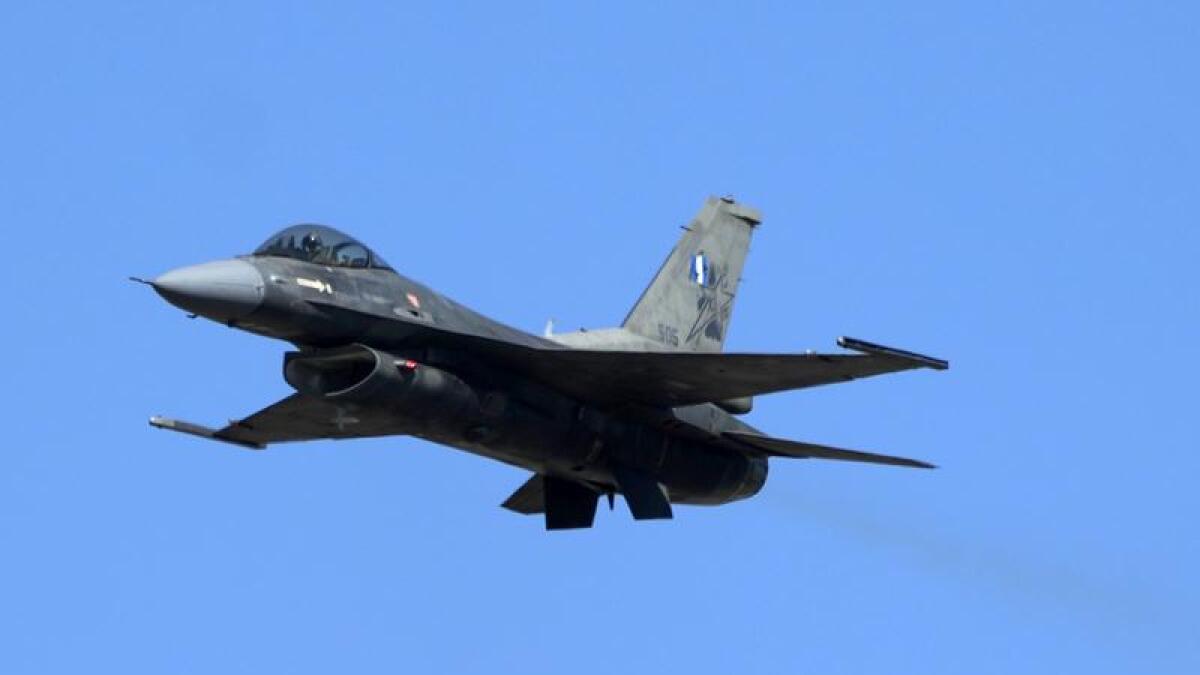
According to Thai military officials, the confrontation began early Thursday when Cambodian forces fired a series of rockets and artillery shells into Thailand’s Surin province. One shell hit a residential area, killing an adult civilian and injuring three others, including a five-year-old child. In response, the Royal Thai Air Force deployed six F-16 fighter jets from Ubon Ratchathani province, which carried out strikes on what were described as Cambodian military targets near the border.
The violence erupted near the ancient Ta Muen and Ta Krabey temples, sacred landmarks frequently at the centre of border tensions. Thai authorities allege that Cambodian troops provoked the skirmish after crossing into Thai-controlled territory. According to reports from the Thai military, soldiers stationed near Ta Muen temple detected a Cambodian drone overhead shortly after 7:30 a.m. Not long after, six armed Cambodian troops were seen approaching a barbed-wire fence at the Thai post. Despite verbal warnings, Cambodian forces allegedly opened fire around 8:20 a.m., prompting the Thai military to respond.
Cambodia, however, painted a very different picture. Its Ministry of Defence accused Thailand of breaching its territorial sovereignty and claimed that Cambodian troops were acting in self-defence. In a strongly worded statement, Cambodian defence spokeswoman Maly Socheata insisted that Cambodian forces had responded in accordance with international law to repel what they described as a Thai incursion. Prime Minister Hun Manet has since called for an emergency meeting of the United Nations Security Council, labelling Thailand’s actions as “unprovoked military aggression.”
In Bangkok, the government condemned Cambodia’s attacks as “inhumane and brutal,” accusing Cambodian troops of targeting civilians. Authorities confirmed that two BM-21 rockets fired from Cambodia landed in a civilian community in Surin’s Kap Choeng district, leaving three people injured. Thailand has since closed all land border crossings with Cambodia and ordered the evacuation of residents living in high-risk border zones. Thailand’s embassy in Phnom Penh also urged Thai nationals in Cambodia to return home immediately unless absolutely necessary. China has similarly advised its citizens to avoid the frontier region.
Diplomatic relations between the two countries are rapidly deteriorating. Earlier in the day, Thailand expelled Cambodia’s ambassador and recalled its own envoy after five Thai soldiers were injured in a landmine explosion near the border. Thai officials allege that Cambodia recently planted new landmines in the disputed area, a claim strongly denied by Phnom Penh. Cambodia retaliated by reducing bilateral ties to the lowest level, withdrawing most of its diplomats from Thailand and expelling Thai diplomatic personnel from Phnom Penh.
The escalating crisis is also sending shockwaves through Thai domestic politics. Prime Minister Paetongtarn Shinawatra has been suspended from office pending an ethics investigation related to her handling of the border tensions. A leaked phone call between her and Cambodia’s former leader, Hun Sen — father of the current prime minister — is now the subject of a judicial inquiry in Thailand. Meanwhile, Hun Manet has announced the activation of a long-dormant conscription law that will require Cambodian civilians to begin military service next year, signalling a more aggressive defence posture.
With both governments trading accusations and military forces on high alert, the once-simmering border dispute is now dangerously close to becoming a broader regional conflict. As diplomatic channels collapse and civilian lives are lost, international intervention may be the only viable path to preventing a deeper catastrophe.