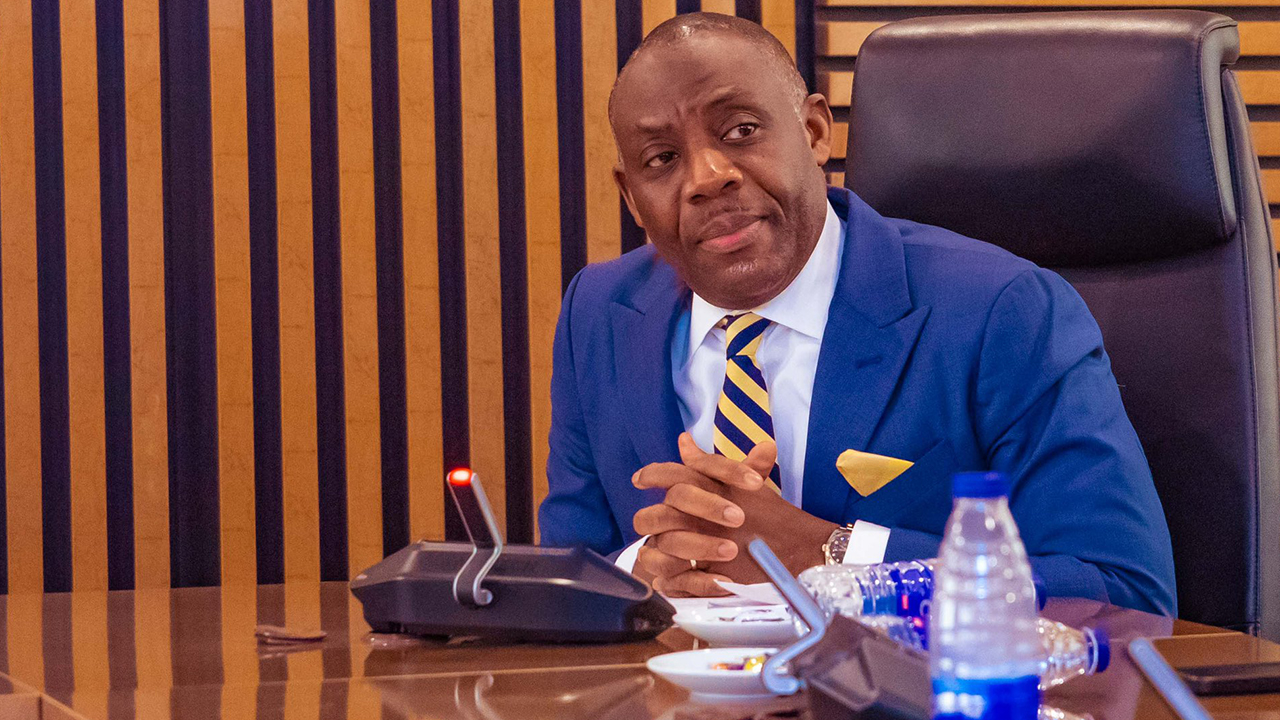
As the strike by primary school teachers in the Federal Capital Territory (FCT) drags on, the Federal Government has stepped forward with a call for urgent dialogue, promising a collaborative effort to resolve the impasse that has shut children out of classrooms for weeks.
The Minister of Education, Dr. Olatunji Alausa, on Monday appealed to all relevant stakeholders to embrace peaceful negotiation and prioritize the welfare of teachers. His appeal followed mounting pressure from the Nigeria Union of Teachers (NUT), FCT Wing, over the delayed implementation of the new national minimum wage for teachers under Local Education Authorities (LEAs) managed by the six Area Councils.
“Teachers form the backbone of Nigeria’s basic education system,” Alausa said. “Their welfare, dignity, and professional development are essential to the future of our nation.”
In a statement released in Abuja through the Ministry’s Director of Press and Public Relations, Folasade Boriowo, the Minister said the federal government had taken note of the communiqué issued by the NUT following its March 22 emergency meeting in Gwagwalada, where the union outlined its grievances and warned of prolonged action if issues remained unresolved.
While the FCT’s LEA primary schools fall under the jurisdiction of Area Councils, Alausa acknowledged the decentralised governance system but assured that the Federal Ministry of Education would not shy away from facilitating solutions.
“We remain committed to engaging constructively with all parties — including the Ministry of the FCT, UBEC, and other relevant agencies — to restore stability,” he said.
The Minister also urged Area Council Chairmen to act swiftly and responsibly, saying their leadership would be critical to bringing the strike to an end.
He added that continued disruption to learning risks undermining progress already made under President Bola Tinubu’s Renewed Hope Agenda — a reform blueprint targeting basic education upgrades, teacher training, digital learning expansion, and curriculum modernisation.
“Our collective progress in the education sector must be matched by fairness and a responsive approach to teachers’ needs,” he said. “These reforms can only succeed when those at the frontline of implementation — our teachers — are supported.”
Dr. Alausa called on all actors — from union leaders to council administrators and education managers — to demonstrate transparency, cooperation, and a shared sense of urgency in resolving the crisis.
“Dialogue and shared responsibility are vital if we are to preserve the integrity of Nigeria’s education system and ensure every child has access to quality learning,” he concluded.
As the strike persists, thousands of pupils across FCT remain out of school, while education stakeholders await concrete resolutions from the ongoing mediation efforts.