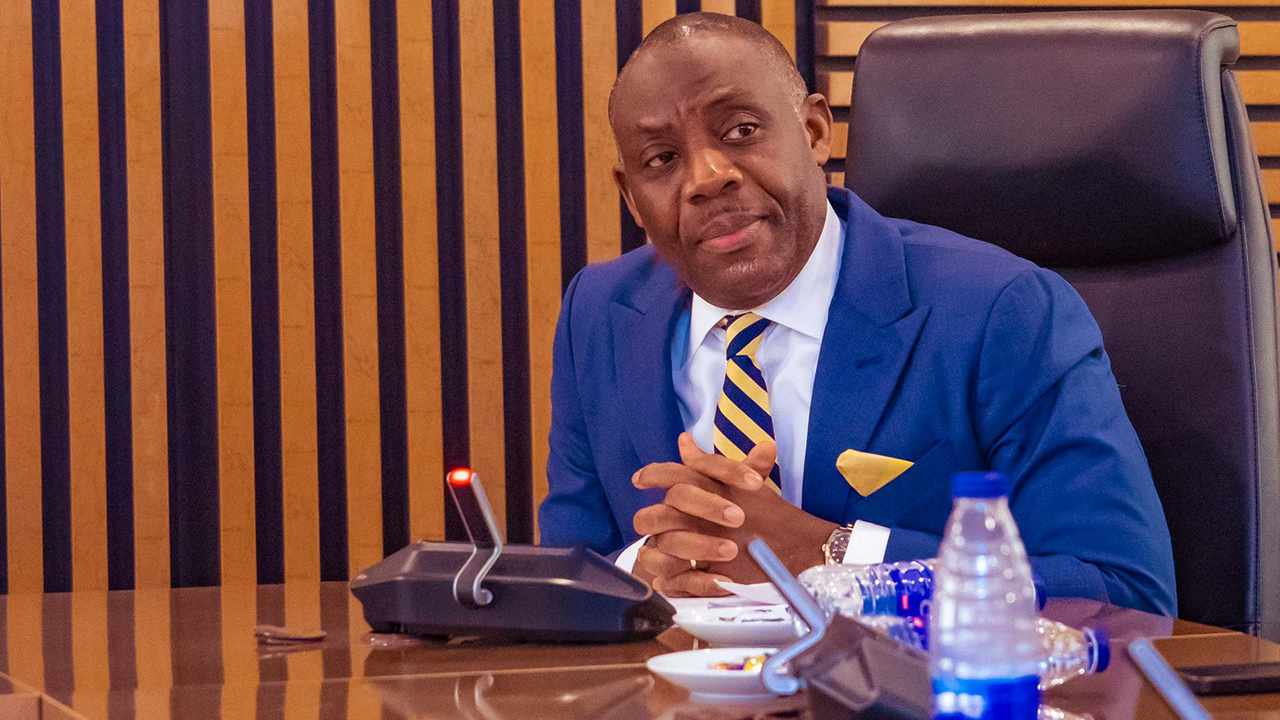
The Minister of Education, Dr Tunji Alausa, has disclosed that professors in Nigeria’s public universities will now receive a monthly top-up allowance of more than N140,000, following a new agreement between the Federal Government and the Academic Staff Union of Universities (ASUU).
Alausa made the disclosure on Wednesday during an interview on Politics Today, a programme on Channels Television, while reacting to the agreement reached between the government and the university lecturers’ union.
According to the minister, President Bola Tinubu approved the creation of a new allowance category for academic staff, tagged the “professorial cadre” allowance, aimed at improving lecturers’ welfare and addressing long-standing concerns raised by ASUU.
“A professor will now receive a monthly top-up of over N140,000. The President has created a new category of allowance for academic staff, known as the professorial cadre allowance, which is an enhanced additional package,” Alausa said.
He added that the Federal Government now has the resources to fund a 40 per cent salary increase for lecturers across public tertiary institutions, alongside the implementation of nine enhanced Earned Academic Allowances.
Alausa stressed that the success of any agreement lies not in its signing but in its execution, noting that implementation has already commenced.
“The beauty of any agreement is not at the point of signing but in the implementation phase. Even before today, we had already started implementation,” he said.
The minister revealed that the Chairman of the National Salaries, Incomes and Wages Commission worked extensively between December 20 and 30 to ensure the release of a circular backing the welfare components of the agreement.
“That circular has now been released. During negotiations, the President was clear that he would not authorise the signing of any agreement he was not prepared to implement,” Alausa added.
The agreement is expected to ease tensions between the Federal Government and ASUU, which have often resulted in prolonged industrial actions in Nigeria’s public universities.