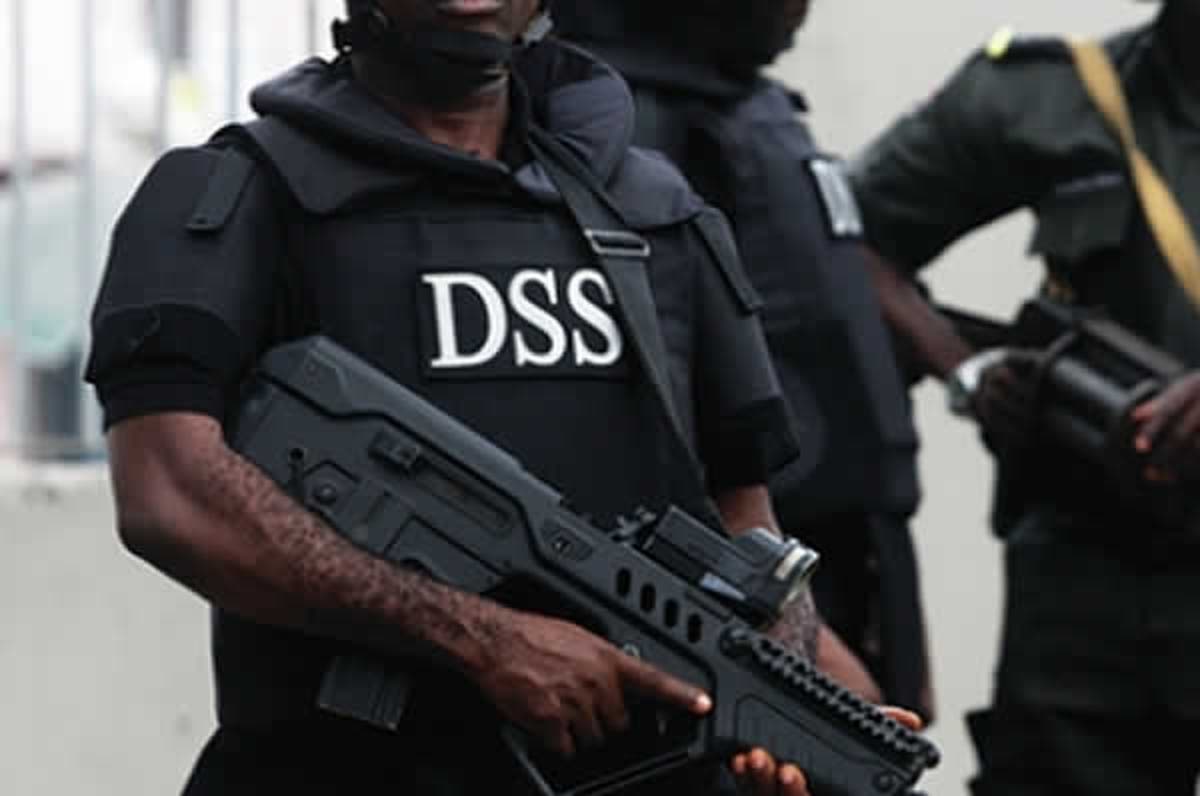
The Federal Government has dismissed 115 officers of the Department of State Services (DSS) after uncovering a series of violations that have raised concerns about integrity and accountability inside Nigeria’s main domestic intelligence agency. Several senior security insiders confirmed that the affected personnel were implicated in serious misconduct, including document forgery, fraudulent recruitment practices, leaking classified information, and abandoning their posts without proper resignation. Some were accused of using questionable certificates from religious institutions or short-term foreign courses to secure employment, a practice authorities say is incompatible with the responsibilities of national security.
In a rare move, the DSS publicly shared the names, photographs, and dates of dismissal of the officers on X (formerly Twitter), cautioning Nigerians not to engage in any official dealings with them. The publication, which is unusual for a secretive institution known for handling disciplinary matters quietly, has sparked broad reactions. It also follows the recent arrest of two former operatives who allegedly impersonated DSS staff to defraud unsuspecting citizens — a case that appears to have accelerated the agency’s ongoing internal reforms.
Security sources revealed that the purge is part of a broader effort by the DSS Director-General, Adeola Ajayi, to strengthen discipline and restore trust in the intelligence service. They noted that several of the dismissed officers had been warned previously under the former DG but continued to repeat similar offences, assuming there would be no serious consequences. According to one official, the present leadership is determined to remove what they described as “bad eggs” to protect national interest and maintain operational credibility.
However, the decision to release the identities and photos of the dismissed personnel has generated controversy among security analysts. National security expert Kabir Adamu expressed concern that exposing individuals who once carried out covert assignments could put their lives at risk. He warned that some of them may have disrupted criminal and terrorist networks while in service, and could now be vulnerable to revenge or targeted recruitment by hostile agencies and extremist groups. He also noted that the public exposure may make it nearly impossible for them to find employment, complicating their future beyond the service.
Despite those concerns, a former DSS Director, Mike Ejiofor, backed the agency’s move, describing the dismissals as part of a much-needed reform aimed at cleansing the organisation. He insisted that the officers underwent proper internal review before the decision was approved, and said the country’s intelligence community must maintain the highest ethical standards to function effectively.