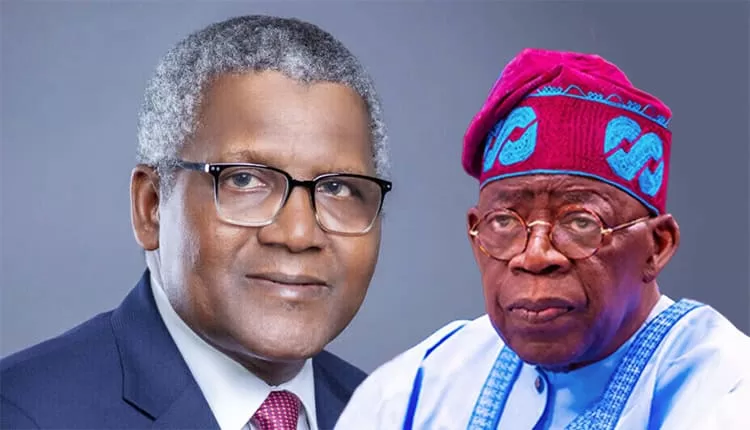
Nigeria’s energy sector is facing heated debate following calls by Africa’s richest man, Aliko Dangote, for the Federal Government to halt the importation of refined fuel. The business mogul urged President Bola Tinubu to expand the “Nigeria First” policy to include petrol, diesel, and other petroleum products, arguing that continued importation is undermining local refinery investments and threatening national economic growth.
Speaking at the West African Refined Fuel Markets Conference in Abuja, Dangote warned that imported fuel, often sold at artificially low prices or subsidized abroad, is sabotaging domestic producers. He claimed that the market is flooded with substandard and sometimes toxic products that would not meet quality standards in developed countries. According to Dangote, this dumping practice creates an uneven playing field, discouraging further investment in local refining capacity.
He pointed to the recent strides made by his $20 billion refinery, which he said has already exported more than 1.35 billion litres of petrol in just 50 days. This milestone, he claimed, makes Nigeria a net exporter of refined fuel for the first time in its history. Dangote stressed that this progress is evidence that Nigeria no longer needs to depend on fuel imports and can sustain itself if supported with the right policies.
Dangote insisted that his stance is not driven by a desire for market control but by a commitment to national development. He criticized wealthy Nigerians who prefer to invest abroad while complaining about local challenges, stating that true investors should support the country’s growth from within.
However, his proposal has been met with fierce opposition from independent marketers and downstream players. The Independent Petroleum Marketers Association of Nigeria (IPMAN) and the Petroleum Products Retail Outlet Owners Association of Nigeria (PETROAN) voiced strong concerns about the potential for monopoly and price manipulation if importation is halted. They argued that no single refinery, including Dangote’s, is capable of meeting Nigeria’s fuel demand alone, and warned that banning imports would limit competition and remove price regulation mechanisms.
IPMAN’s spokesperson, Chinedu Ukadike, stated that importation currently plays a critical role in price stabilization and supply. He stressed that unless there are multiple refineries in operation, allowing imports is necessary to ensure Nigerians are not subjected to fuel scarcity or price hikes. PETROAN’s president, Billy Gillis-Harry, also challenged the idea, saying that a free market thrives on multiple players and diverse sources. While he acknowledged the need to restrict imports of unnecessary items like toothpicks and food products, he emphasized that refined fuel must remain open to international supply for now.
Industry experts have also weighed in, cautioning the government against enforcing an outright ban. Professor Dayo Ayoade, an energy law expert at the University of Lagos, warned that granting one private company control over the fuel supply chain could lead to monopolistic practices. He also pointed out that international trade laws frown upon outright bans, and that any shift in policy should be gradual, tied to actual domestic capacity, and framed in a way that encourages fair competition.
Interestingly, while many stakeholders opposed the proposed import ban, some agreed with Dangote’s call for stronger enforcement of refinery development. Dangote criticized investors who hold licenses for refinery projects but have failed to act. He urged the Nigerian Midstream and Downstream Petroleum Regulatory Authority (NMDPRA) to revoke such dormant licenses and promote serious investors who can contribute to national refining capacity. IPMAN agreed with this part of his message, emphasizing that Nigeria needs more active refineries, not just policies on paper.
As part of his shift toward consolidating focus on energy, Dangote recently stepped down as Chairman of Dangote Cement. According to a statement from the Group’s Chief Branding Officer, the decision allows him to channel his energy into the refinery, fertiliser, and petrochemicals businesses. The company is also set to roll out a major logistics plan, deploying 4,000 compressed natural gas-powered trucks from August 1 to deliver petrol, diesel, and aviation fuel directly to fuel stations and bulk consumers such as telecom companies.
With Dangote’s refinery now operational and exporting, the question facing the Tinubu administration is whether to protect the local refinery market through policy or maintain a competitive environment through imports. The decision will have lasting consequences on the structure of Nigeria’s fuel market, investor confidence, and the path toward energy independence.