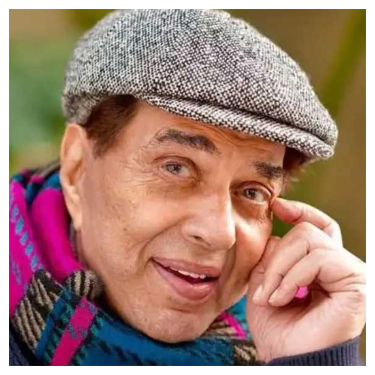
India’s entertainment industry is grieving the loss of Dharmendra Kewal Krishan Deol, one of Bollywood’s most enduring and beloved actors, who died in Mumbai at the age of 89. His death has been widely described as the end of an era for Indian cinema.
Tributes poured in across the country on Monday, with Prime Minister Narendra Modi taking to X to honour the late actor’s remarkable influence on filmmaking and popular culture. Modi noted that Dharmendra’s passing represents the fading of a cinematic generation that shaped modern Bollywood.
With a career spanning over six decades, Dharmendra featured in more than 300 films, standing out for his exceptional range. From action-packed roles and romantic leads to comedy favourites and emotionally intense characters, he played a crucial role in defining Bollywood’s golden years.
His performance as Veeru in the 1975 classic Sholay remains one of the most celebrated portrayals in Indian cinema, cementing his legacy among film lovers worldwide.
Born in Ludhiana, Punjab, on December 8, 1935, Dharmendra’s journey to stardom began after he won a national talent competition. The win brought him to Bombay—now Mumbai—where he made his acting debut in 1960. His breakthrough in Bimal Roy’s Bandini (1963) catapulted him to fame and opened the door to a long run of box-office successes.
Popularly known as Bollywood’s “original He-Man,” Dharmendra earned admiration for his rugged charm and commanding screen presence. His on-screen pairing with actress Hema Malini became one of the most beloved in Bollywood history. The duo later married in 1980, further cementing their place as one of Indian cinema’s iconic couples.
Among Dharmendra’s standout works are Phool Aur Patthar, Mera Gaon Mera Desh, and the comedy classic Chupke Chupke, films that continue to resonate with audiences decades after their release.
Although he never occupied the industry’s undisputed number-one spot, Dharmendra enjoyed a unique stature—consistent, bankable, and deeply respected by peers and fans alike. His contributions were formally recognised with the Filmfare Lifetime Achievement Award in 1997 and the Padma Bhushan, India’s third-highest civilian honour, in 2012.
Dharmendra’s death leaves behind a monumental legacy that shaped the trajectory of Bollywood and influenced generations of filmmakers, actors, and movie enthusiasts.