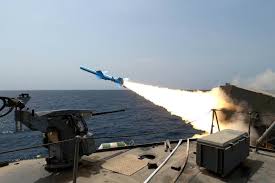
Iran’s Islamic Revolutionary Guard Corps (IRGC) Navy has launched a major naval exercise in the strategically vital Strait of Hormuz, as the United States continues to strengthen its military posture in the Middle East amid high-stakes diplomatic engagements and rising tensions.
The exercise, dubbed “Smart Control of the Strait of Hormuz,” involves live-fire drills and coordinated naval operations by IRGC forces aimed at assessing readiness, security planning and responses to potential threats in the narrow channel connecting the Persian Gulf and the Gulf of Oman. The manoeuvres are being overseen by IRGC Commander-in-Chief Major General Mohammad Pakpour, according to state reports.
The strategically important waterway is a critical route for global energy shipments, and Iran’s focus on drills there underscores its intent to demonstrate military capabilities amid geopolitical pressure. Iranian commanders say they maintain continuous intelligence monitoring across the strait as part of broader defensive efforts.
Iran’s exercises coincide with the deployment of additional U.S. military assets to the region, including carrier strike groups, advanced aircraft and support vessels. The U.S. build-up follows President Donald Trump’s orders to reposition key naval forces in the Middle East as part of efforts to increase deterrence and pressure Tehran ahead of a second round of indirect nuclear negotiations in Geneva.
The military build-up comes against a backdrop of sustained diplomatic activity. Iranian Foreign Minister Abbas Araghchi travelled to Geneva for renewed talks with U.S. and international counterparts aimed at addressing the long-running nuclear standoff and avoiding escalation into open conflict.
While Iranian officials frame the drills as a standard readiness exercise, analysts see them as part of a broader show of force intended to signal resolve and deter potential military threats in the region. The concurrent U.S. naval deployments highlight the delicate balance between diplomacy and deterrence as global powers seek to manage a volatile security environment.