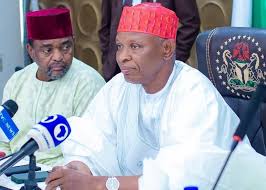
The Kano State Government has placed a firm ban on private and voluntary schools increasing tuition fees without official approval, warning that any institution found making unauthorized adjustments will face sanctions.
Speaking during a press briefing in Kano, Baba Abubakar Umar, Special Adviser to Governor Abba Kabir Yusuf on Private and Voluntary Institutions, stressed that no school, regardless of size or status, has the authority to raise its fees without clearance from the state board. He explained that the directive is meant to protect parents from arbitrary charges and ensure transparency in the management of private schools.
Before any fee review can be considered, schools are required to hold a Parent-Teacher Association (PTA) meeting with parents, teachers, government officials, and representatives of the state PTA in attendance. For a proposal to stand, it must secure the backing of a two-thirds majority and later be ratified by the state board. Signed minutes of the PTA meeting must also be submitted to the Private Institutions Board or an agency working directly with the PTA office.
Umar appealed to parents to pay their children’s school fees on time and to attend PTA meetings regularly, describing absenteeism as a negative practice that undermines accountability. According to him, a school can only run efficiently when parents play their part by meeting financial obligations and engaging constructively with school authorities.
He also cautioned schools against forcing parents to buy items such as uniforms, textbooks, development levies, security fees, extra lessons, or prize-giving materials directly from them, saying parents have the right to purchase such items from wherever they choose. Co-curricular fees and charges for testimonials or certificates have also been outlawed.
Only curriculum-based activities approved by the government and consistent with Kano’s cultural and religious values will be permitted. Umar warned that substandard or unregistered schools operating in the state risk closure, with their operators facing possible prosecution.
With this policy, the state government is seeking to strengthen accountability in private education and protect families from the financial pressure of unnecessary or inflated school charges.