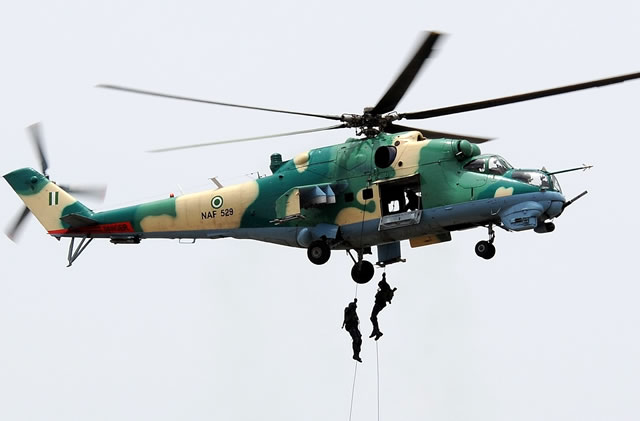
In a significant step toward modernizing Nigeria’s military air power, the Nigerian Air Force (NAF) has announced plans to induct 49 high-tech aircraft into its fleet by the end of 2026, reinforcing efforts to combat insurgency and improve national security operations.
The disclosure was made by the Chief of Air Staff, Air Marshal Hasan Abubakar, during the opening session of the 2025 Aircraft Engineering Conference, which was held on Wednesday at the NAF Headquarters in Abuja.
According to Abubakar, the new aircraft include 24 M-346 fighter jets, 12 AH-1Z attack helicopters, 10 AW-109 Trekker Type B helicopters, and three CASA 295 transport aircraft. These platforms, he noted, are advanced systems that will require a robust technical maintenance structure to ensure their serviceability and sustained operation.
“This expansion is not just about increasing numbers; it demands a strategic rethink in how we maintain and support these assets. We must adopt innovative, data-driven approaches to ensure our readiness and efficiency,” Abubakar said.
The air chief also pointed out that the upcoming additions follow the successful delivery of 15 aircraft over the past two years. These included six T-129 ATAK helicopters, two AW-109 Type A helicopters, four Diamond 62 reconnaissance planes, and three Beechcraft King Air aircraft—each already deployed in key operations across the country.
He emphasized that with the growing fleet size, there is an urgent need to deepen engineering capacity and enhance the culture of aircraft maintenance within the force. He also revealed that significant investments have already been made in spare parts, logistics systems, and ground support tools to meet the increased demands and to ensure all mission-ready platforms are fully operational by late 2025.
Speaking at the event, Air Vice Marshal A.I. Amodu, Chief of Aircraft Engineering, described the engineering corps as the “backbone” of NAF’s operational success. He highlighted the importance of adapting to the fast-changing security environment, stressing that a proactive maintenance strategy was crucial to keeping the Air Force combat-ready.
“The ability to respond swiftly to threats depends heavily on the quality of our aircraft engineering framework. This conference gives us the opportunity to reflect, strategize, and renew our commitment to technical excellence,” Amodu stated.
The Aircraft Engineering Conference, an annual gathering of aviation experts, military engineers, and defence stakeholders, is seen as a critical platform for shaping the future of the Nigerian Air Force’s technical and operational efficiency.
With insurgency and cross-border threats still posing serious challenges, NAF’s ambitious expansion plan is expected to play a pivotal role in strengthening Nigeria’s aerial defence and enhancing its capacity to respond to emerging security threats.