In a major enforcement move aimed at strengthening health insurance service delivery in Nigeria, the National Health Insurance Authority (NHIA) has sanctioned a total of 96 institutions comprising 49 healthcare providers and 47 Health Maintenance Organisations (HMOs) over widespread violations of operational guidelines in 2024.
The agency disclosed this in a statement issued Sunday by its Acting Director of Media and Public Relations, Emmanuel Ononokpono, citing poor service quality, unauthorised out-of-pocket charges, and referral delays as key triggers for the disciplinary actions.
According to the NHIA’s 2024 Annual Complaints Report, 3,507 complaints were received throughout the year. Of these, 2,929 cases (representing 84%) were resolved within the standard timeframe of 10 to 25 days.
A detailed breakdown revealed that 2,273 complaints were directed at healthcare providers, while 1,232 were lodged against HMOs. Only two reports were made against enrollees themselves.
Violations by health facilities included refusal to offer services, lack of essential medications, and failure to provide clear payment documentation. HMOs, on the other hand, were cited for delays in issuing referral codes, late reconciliation of payments, and inadequate oversight of affiliated facilities.
As a result of these findings, the NHIA issued 84 formal warnings to healthcare providers, ordered four suspensions, and delisted six others from the scheme. Additionally, 39 health facilities were directed to refund a total of ₦4.38 million to 54 affected enrollees.
Meanwhile, 35 HMOs received official warnings, and 12 were mandated to repay ₦748,200 to 15 enrollees.
“The complaints were received through multiple channels—emails, phone calls, in-person visits, written letters, and the NHIA call centre,” the statement read. “Where resolution timelines could not be met, complainants were informed and cases were escalated where necessary.”
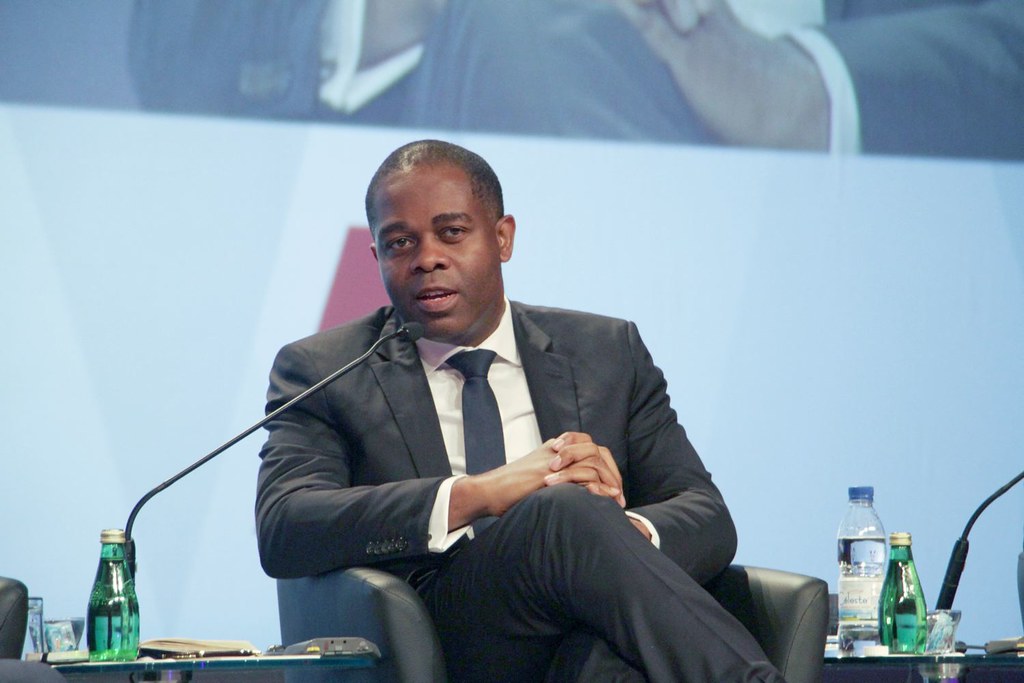
Commenting on the enforcement action, NHIA Director-General Dr. Kelechi Ohiri described the complaint system as a core mechanism for improving healthcare access and restoring public confidence in the insurance system.
“We are committed to ensuring enrollees receive the quality of care they deserve,” Ohiri said. “These sanctions serve as a message to all stakeholders that the NHIA will not condone substandard service delivery.”
He commended providers who continue to deliver high-quality care and referenced recent increases in capitation and service fees—NHIA’s first upward adjustment in over a decade—as a further push for better service from healthcare providers.
As part of ongoing reforms, the NHIA also issued a new policy mandating that HMOs respond to referral requests within one hour. In cases where there’s no response, providers are authorised to proceed with treatment under emergency protocols.
Dr. Ohiri concluded by reiterating the NHIA’s commitment to transparency and fairness, aligning with President Bola Tinubu’s vision of achieving Universal Health Coverage (UHC) for all Nigerians.
“Our goal is to build a system that works for the patients, the providers, and the country. Accountability, not complacency, will drive that change,” he added.