A renewed call to embrace homegrown innovation echoed across the Manufacturers Association of Nigeria (MAN) Annual General Meeting in Lagos as government and industry leaders united to push for the full enforcement of the Made-in-Nigeria policy, a move aimed at boosting local production and reducing dependency on imports.
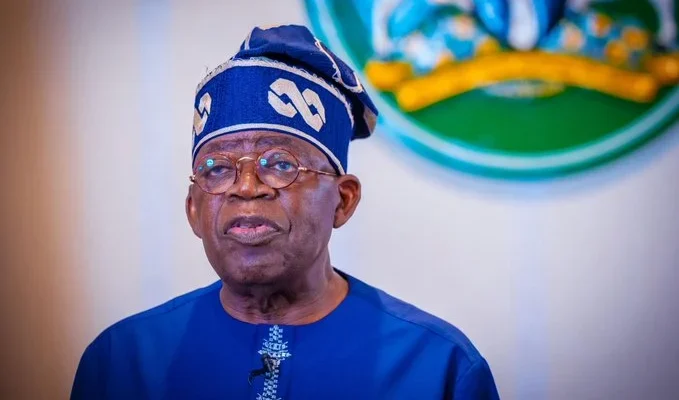
Representing President Bola Tinubu, the Minister of State for Industry, Trade, and Investment, Senator John Owan-Enoh, revealed that the Federal Government is finalizing a directive that will make it compulsory for ministries, departments, and agencies to prioritize locally made goods in all public procurement activities. According to him, by December 2025, the Ministry and the Bureau of Public Procurement will unveil new regulations requiring a clear justification before any imported item can replace an available local equivalent.
“The Nigeria First policy is more than a slogan,” Owan-Enoh quoted the President as saying. “It is a disciplined national approach to how we spend, procure, and compete globally.”
Cross River State took the spotlight during the event as Governor Senator Bassey Otu reaffirmed his administration’s deep-rooted commitment to advancing local industries. Represented by his deputy, Dr. Peter Odey, the governor linked the vision to the state’s People First development agenda, emphasizing that supporting indigenous products is the foundation of Nigeria’s economic independence.
“This is a call to action for our collective survival,” Odey said passionately. “Every time we buy Nigerian, we invest in our pride and economic strength.”
Cross River’s ongoing industrialization drive was also showcased from cocoa plantations in Ikom to rice fields in Ogoja, rubber estates in Akamkpa, and the growing oil palm industry. The state government, he disclosed, had already taken delivery of over 100 locally manufactured mini-tractors for farmers and now sources its official vehicles from Nigerian auto companies.
In his keynote address, MAN President, Otunba Francis Meshioye, OFR, praised the federal and state governments for their renewed focus on local production. He particularly applauded the creation of the Industrial Revolution Working Group (IRWG) by the Tinubu administration, describing it as a vital instrument for realizing Nigeria’s long-term industrial goals.
Meshioye also commended Cross River’s efforts to domesticate the Nigeria First initiative through legislation, a move he said should serve as a model for other states.
The AGM ended with Cross River State receiving special recognition for its strong stance on local content development and consistent patronage of Made-in-Nigeria products.