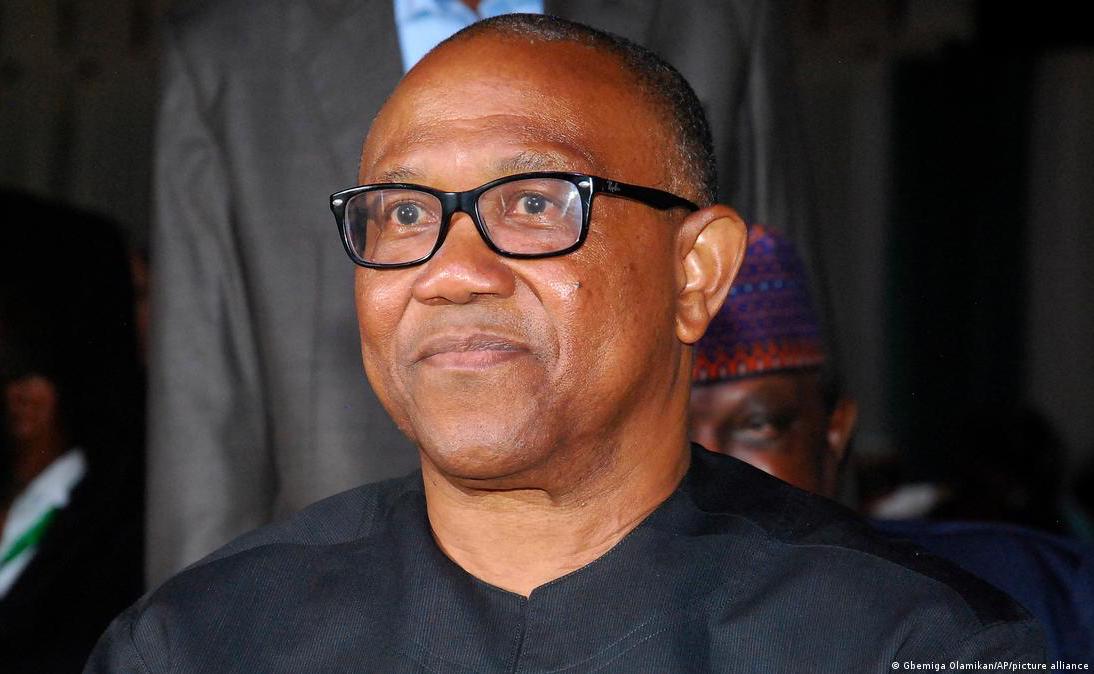
Former Anambra State governor and Labour Party’s 2023 presidential candidate, Peter Obi, has officially confirmed that he will contest in the 2027 presidential election, expressing confidence in his ability to reposition Nigeria within four years if given the mandate.
Speaking during an interactive session with journalists on Wednesday, Obi said he was certain he would be on the ballot in 2027, stressing that competence and leadership capacity not sentiment should guide Nigerians in choosing their next president. He urged voters to look beyond party lines and focus on who truly has the vision and ability to lead the country toward progress.
“I will be running again, and I’m sure I’ll be on the ballot,” Obi stated during a broadcast on Channels TV. “Nigerians must begin to assess who among the candidates has the competence, character, and experience to fix the country. I believe I am qualified and capable, and within four years, I can set Nigeria on a positive path.”
Obi, who has recently aligned with an opposition coalition operating under the African Democratic Congress (ADC), clarified that he remains a committed member of the Labour Party. He explained that his current focus is on building a united opposition strong enough to challenge poor governance and offer Nigerians real hope for change. “We must work together as opposition leaders to rescue Nigeria from the grip of bad leadership,” he said.
When asked about the possibility of rejoining the Peoples Democratic Party (PDP), Obi dismissed the speculation, noting that unity among credible leaders should come before party politics. “This is not about political platforms; it’s about coming together as Nigerians to rebuild our country,” he emphasized.
The former presidential candidate also expressed concern over the growing poverty rate in the country, describing it as the nation’s most pressing issue. “Instead of focusing on power struggles, why are we not discussing the 139 million Nigerians living in poverty?” he asked. “That’s where our attention should be—lifting people out of hardship, not chasing political power for its own sake.”
Reacting to the recent defections of Enugu State Governor Peter Mbah and Bayelsa State Governor Douye Diri to the All Progressives Congress (APC), Obi described the moves as personal political decisions rather than acts of coercion. “We are no longer in a military era where people are captured,” he said. “Democracy thrives on persuasion, not force.”
Obi, who described Governor Mbah as a personal friend, said leaders should be allowed to make political choices they believe are best for their people. However, he maintained that true leadership goes beyond political affiliation—it is about integrity, accountability, and a genuine desire to improve the lives of citizens.
As Nigeria moves closer to another election cycle, Obi’s message resonated strongly with supporters calling for competent and value-driven leadership. His renewed ambition signals what could become one of the most competitive and defining races in Nigeria’s democratic history.