The Nigeria Police Force has shed more light on the restrictions placed on the #FreeNnamdiKanu protest held in Abuja on Monday, saying the limitations were based on a valid court order obtained ahead of the demonstration.
Speaking on Channels Television’s Politics Today, the Force Public Relations Officer, Benjamin Hundeyin, said the order specifically barred protesters from gathering or marching around key national institutions and sensitive government locations within the Federal Capital Territory.
According to Hundeyin, the directive was aimed at maintaining public order and protecting vital national assets. “We secured a court order that clearly stated protesters are not allowed to demonstrate in specific areas such as the Aso Villa, the Supreme Court, the National Assembly complex, Eagle Square, and the Force Headquarters along Shehu Shagari Way,” he explained during the interview.
The police spokesperson stressed that while Nigerians have a constitutional right to peaceful protest, such rights must be exercised within the boundaries of the law and in line with court directives. He said the police’s primary responsibility was to prevent any breakdown of law and order while ensuring that both demonstrators and the general public remain safe.
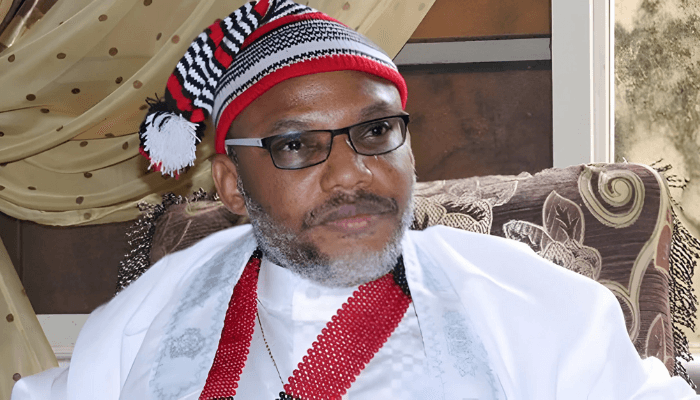
Earlier on Monday, protesters demanding the release of detained Indigenous People of Biafra (IPOB) leader, Nnamdi Kanu, gathered in parts of the capital city. The demonstration was led by human rights activist Omoyele Sowore, who has been a consistent voice for civil rights and political freedom in Nigeria.
Security operatives were deployed to key locations in Abuja to enforce the restriction order and ensure the protest did not extend into the prohibited zones.
The renewed call for Nnamdi Kanu’s release has continued to stir public debate, especially as his detention remains a major talking point in Nigeria’s human rights and political discourse.
As the situation unfolds, the police have reiterated their commitment to balancing citizens’ right to peaceful assembly with the need to maintain public safety and uphold judicial directives.