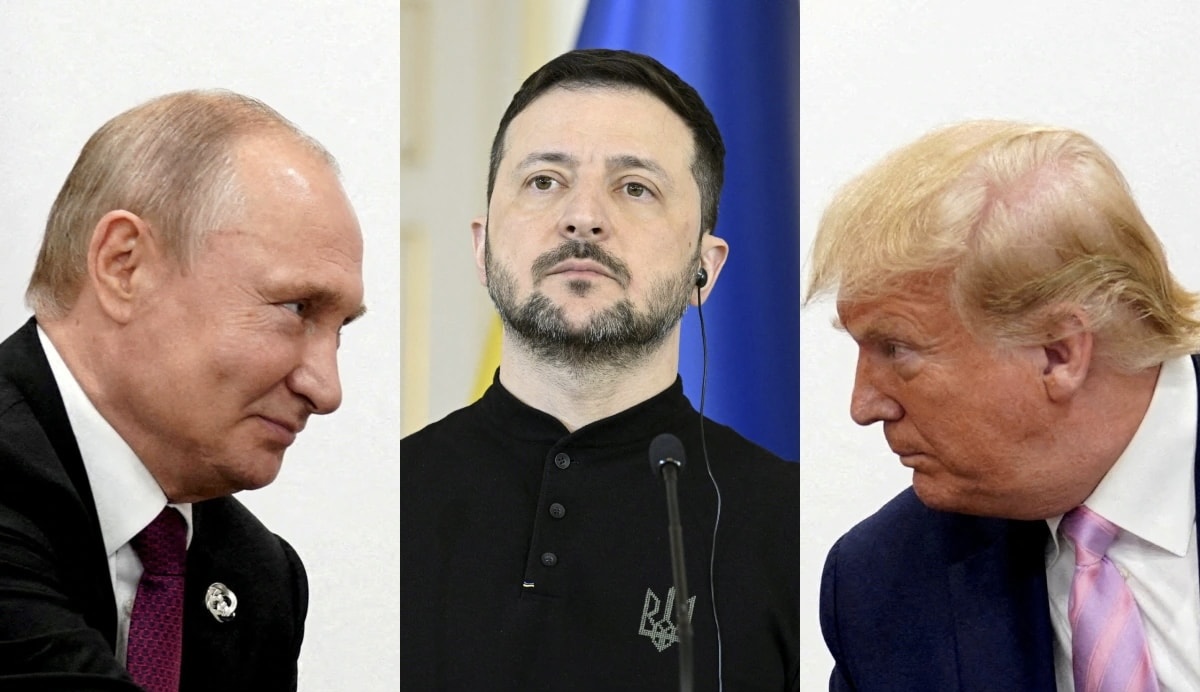
Russia is set to participate in trilateral peace talks with the United States and Ukraine for the first time, with negotiations scheduled to take place on Friday in Abu Dhabi, the Kremlin has confirmed.
The talks follow a series of high-level engagements involving US President Donald Trump, Ukrainian President Volodymyr Zelenskyy and Russian President Vladimir Putin, signalling a renewed diplomatic push to explore an end to the war in Ukraine.
Moscow confirmed its participation after President Putin held nearly four hours of discussions on Thursday with Trump’s peace envoy, Steve Witkoff, and the US president’s son-in-law, Jared Kushner. Russian officials described the talks as “exceptionally substantive, constructive, and extremely frank,” while cautioning that no immediate breakthrough should be expected.
According to the Kremlin, Russia maintains that any lasting settlement must address territorial disputes, reiterating positions previously discussed during last year’s Trump–Putin summit in Alaska. Moscow also said it would continue military operations until a comprehensive diplomatic agreement is reached.
President Zelenskyy suggested that the trilateral meeting was largely a last-minute initiative by Washington, arranged after his own meeting with Trump on Thursday on the sidelines of the World Economic Forum in Davos.
Ukraine will be represented at the talks by its lead negotiator, Rustem Umerov, and Zelenskyy’s chief of staff, Kyrylo Budanov. Russia said its delegation would be led by Admiral Igor Kostyukov, while the United States is expected to act as mediator.
Although Trump and Putin failed to reach a deal at their Alaska meeting in August, the leaders are believed to have discussed the possibility of Ukraine relinquishing some territory in exchange for an end to hostilities. Putin reportedly indicated that Moscow sought control of the eastern Donetsk and Luhansk regions, including areas not currently under Russian occupation.
Zelenskyy has consistently rejected such proposals, warning that ceding control of eastern territories would undermine Ukraine’s defensive capabilities and expose the country to future offensives.
The agreement on trilateral talks comes amid growing tensions between Kyiv and European allies. In a forceful speech in Davos, Zelenskyy criticised what he described as Europe’s slow and insufficient response to the war, warning against complacency.
“Just last year here in Davos, I ended my speech by saying Europe needs to know how to defend itself,” Zelenskyy said. “A year has passed, and nothing has changed.”
European Commission President Ursula von der Leyen later countered the criticism, stating that Europe’s support for Ukraine has been “substantial and consistent.” She noted that the European Union has committed more than €193 billion in assistance over the past four years, with an additional €90 billion approved for the next two years.
Zelenskyy said his meeting with Trump in Davos was positive, adding that a peace framework was “nearly ready.” However, both Kyiv and Moscow remain focused on territorial red lines and securing Washington’s backing ahead of any potential agreement.
The Ukrainian leader also said Ukraine had secured commitments for a new air defence package and claimed Russian forces were sustaining heavy monthly losses, underscoring the continued intensity of the conflict despite renewed diplomatic efforts.