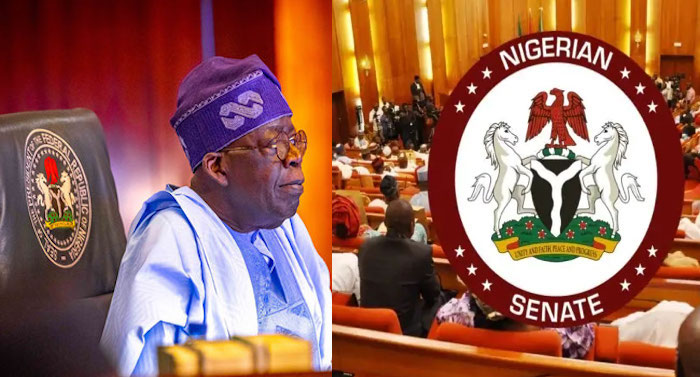
The Nigerian Senate has approved President Bola Tinubu’s comprehensive foreign and domestic loan proposal, clearing the way for the full implementation of the 2025 Appropriation Act. The borrowing plan, valued at over $21 billion, is a cornerstone of the administration’s strategy to finance key infrastructure projects and bridge funding gaps in the national budget.
The approved package includes $21.19 billion in direct external loans, €4 billion in Euro-denominated credit, ¥15 billion in loans from Asian partners, and a $65 million grant. Additionally, the government will raise ₦757 billion through domestic bond issuances. A significant component of the plan also allows the federal government to secure up to $2 billion via foreign-currency-denominated instruments within Nigeria’s local financial market.
The Senate’s approval followed the presentation of a detailed report by Senator Aliyu Wamako, Chairman of the Senate Committee on Local and Foreign Debt. According to Wamako, the loan request was first sent to the National Assembly on May 27 but was held up due to the legislative recess and outstanding documentation from the Debt Management Office.
Senator Olamilekan Adeola, who leads the Senate Committee on Appropriations, explained that the borrowing requests had already been incorporated into the Medium-Term Expenditure Framework and the 2025 national budget. He emphasized that with this final approval, all required funding sources, including loans, are now in place to ensure the budget is fully executed.
This development marks a critical step in President Tinubu’s broader economic recovery plan. The loan approval is expected to unlock financing for infrastructure development, economic stimulus programs, and public sector reforms aimed at stabilizing the country’s fiscal position and stimulating growth. The Senate’s decision underscores legislative support for the administration’s financial strategy and signals a unified approach to tackling Nigeria’s pressing economic challenges.