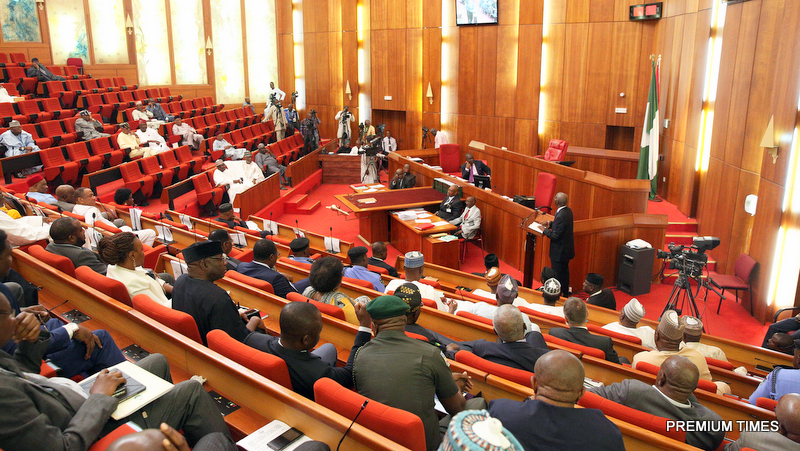
The Nigerian Senate is facing fierce criticism over its plan to increase taxes on soft drinks, with economists, industry experts, and citizens warning that the move could deepen economic hardship.
The controversy stems from a proposal by the Senate Committee on Finance to amend the Sugar-Sweetened Beverage (SSB) tax. Currently set at a fixed N10 per liter under the Customs and Excise Tariffs (Consolidation) Act, the bill—sponsored by Senator Ipalibo Harry Banigo—seeks to convert the tax into a percentage of the retail price, with additional revenue earmarked for the health sector.
Industry Warns of Factory Closures and Job Losses
The Centre for the Promotion of Private Enterprise (CPPE) has urged lawmakers to abandon the plan, cautioning that higher excise duties could force factories to shut down, push prices higher, and trigger mass layoffs.
Mazi Okechukwu Unegbu, former president of the Chartered Institute of Bankers, echoed these concerns, emphasizing that Nigerians are already struggling with multiple taxes and rising costs of living.
“They should exercise restraint. Nigerians are facing enough financial pressure. For now, any tax increase should be suspended,” Unegbu said.
Economists Highlight Inflation Risks
Public finance expert Prof. Godwin Oyedokun warned that the proposed tax hike could worsen inflation, weaken small businesses, and erode household incomes. He stressed that the policy targets products consumed daily by millions—soft drinks, flavored beverages, energy drinks, and other affordable bottled drinks—which serve as key alternatives for families struggling with rising food costs.
“Retail prices will rise immediately as manufacturers transfer the tax burden to consumers. Low-income households, students, artisans, and families with children will be hardest hit,” Oyedokun said.
Small Businesses and Jobs at Stake
Oyedokun also highlighted potential fallout for small businesses, including roadside vendors, neighborhood shops, and restaurants, which depend on beverage sales for daily revenue. A decline in consumption could threaten their survival and force manufacturers to cut production and jobs across the beverage supply chain.
He further questioned the assumption that the tax would significantly boost government revenue, noting that consumers may switch to cheaper alternatives or informal markets, undermining projected gains.
Timing and Policy Inconsistency Draw Criticism
The economist criticized the timing of the proposal, pointing out that Nigerians are already grappling with record inflation, high energy bills, rising transport costs, and shrinking purchasing power. He also recalled that a similar excise duty was suspended in 2023 after objections from manufacturers and labor groups.
“Another attempt now sends negative signals to investors who depend on stable policies for planning production and investments,” Oyedokun said.
He urged the government to explore alternative fiscal measures, such as broadening the tax base, improving tax administration, reducing leakages, and supporting employment-generating sectors.
Call for Relief
“Increasing revenue is understandable, but the social and economic costs of this excise duty hike could outweigh the benefits. Consumers, SMEs, and workers need relief, not additional strain,” Oyedokun concluded.