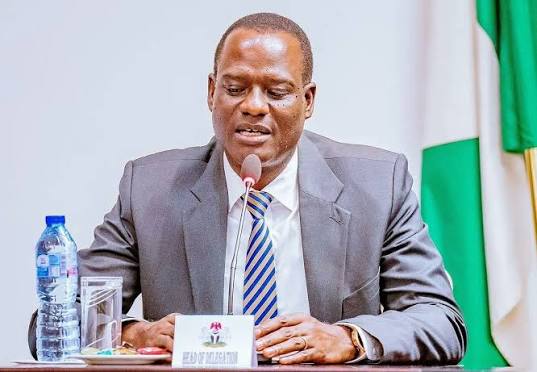
Chairman of the Presidential Fiscal Policy and Tax Reforms Committee, Taiwo Oyedele, has attributed growing public anxiety over Nigeria’s new tax reforms to poor awareness and misinformation, ahead of their scheduled implementation in January 2026.
Oyedele made this known while speaking with journalists over the weekend, noting that many Nigerians are only now becoming aware of long-existing tax provisions and mistakenly believe they are newly introduced.
According to him, much of the information currently circulating—particularly around Tax Identification Numbers (TIN), taxpayer records, and banks’ monthly reporting obligations—is already contained in the Finance Act of 2020, not the new tax law.
“Because tax awareness in Nigeria is very low, people are discovering many of these things for the first time and assuming the new tax law is responsible. That is not the case,” Oyedele said.
He also dismissed widespread fears that banks or government agencies could arbitrarily deduct money from citizens’ accounts under the new regime, stressing that such actions are not permitted under Nigerian law.
“No bank, government, or private authority has the power to debit your account without due process, even if there is a large sum of money involved,” he explained.
Oyedele outlined that tax enforcement follows a structured legal process, including formal notifications, assessments, responses from taxpayers, and possible court proceedings before any recovery action can be taken.
He further clarified the concept of “power of substitution”, often misunderstood by the public, noting that it is similar to a garnishee order used in other jurisdictions and does not permit automatic account debits.
His remarks come amid rising uncertainty ahead of the January 2026 rollout of the Nigeria Tax Administration Act 2025. Oyedele had earlier stated that taxable Nigerians would be required to possess a valid tax identification number to operate bank accounts, a disclosure that has sparked widespread public debate.