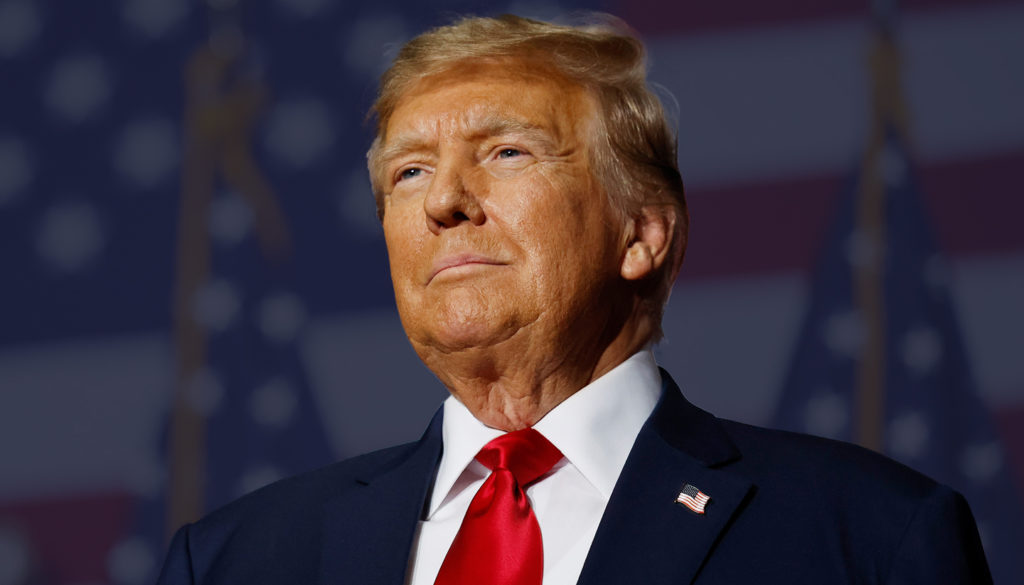
In a deal that could reshape transatlantic trade dynamics, U.S. President Donald Trump has struck a major economic agreement with the European Union — just days before a self-imposed deadline that threatened to ignite a fresh trade war.
The agreement, finalized on Sunday, introduces a 15% tariff on a wide range of European goods entering the United States. While still considerable, the new levy is notably lower than the 30% rate the Trump administration had earlier threatened to impose.
But the tariff isn’t the only headline-grabber. As part of the broader deal, the 27-nation EU bloc has agreed to purchase $750 billion worth of American energy exports and invest an additional $600 billion into the U.S. economy. Combined, the commitments amount to a staggering $1.35 trillion in U.S.-bound economic activity.
“This is a massive win,” Trump declared at a press conference. “It’s powerful, it’s transformational — probably the biggest trade deal we’ve ever done.”
European Commission President Ursula von der Leyen, who negotiated the agreement alongside U.S. officials, struck a more measured tone. “It was a hard-fought deal with tough conversations,” she said, “but ultimately a good outcome for both sides.”
The announcement comes after weeks of behind-the-scenes negotiations and rising uncertainty. Speaking from Scotland just days earlier, Trump told reporters that the likelihood of securing a deal with the EU stood at “50-50,” citing unresolved “sticking points” without going into specifics.
The EU had previously warned that it was prepared to retaliate if the U.S. pushed ahead with the full 30% tariff threat. Officials had floated the possibility of new duties on American products and the use of the bloc’s “Anti-Coercion Instrument” — a mechanism designed to respond to economic pressure.
According to figures from the European Council, trade in goods and services between the U.S. and the EU reached €1.68 trillion (approximately $1.97 trillion) in 2024. While the EU posted a trade surplus in goods, a deficit in services led to a net surplus of €50 billion with the United States.
With the new deal now in place, both Washington and Brussels appear to have stepped back from the brink, opting instead for economic cooperation and renewed dialogue.
Whether the agreement marks a lasting improvement in U.S.-EU relations or simply a pause in escalating tensions remains to be seen — but for now, businesses on both sides of the Atlantic are breathing a sigh of relief.