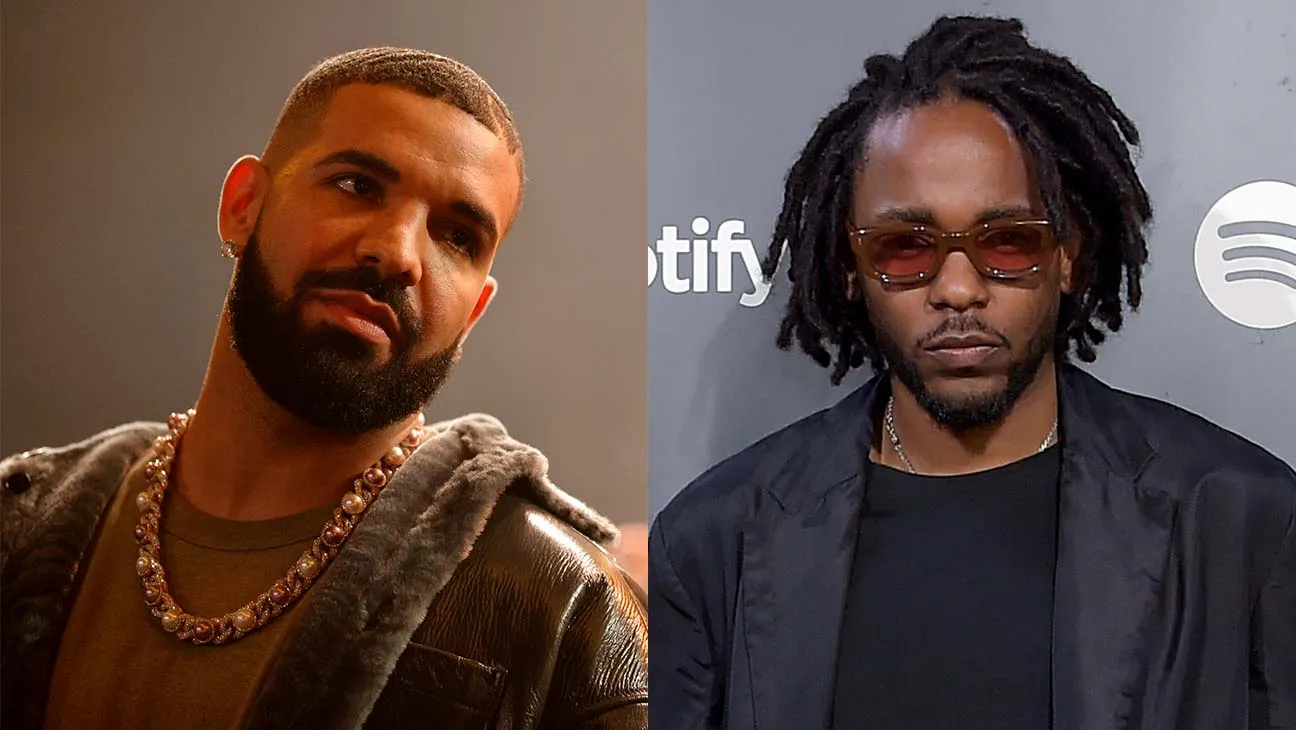
Drake has suffered a major legal blow as a United States federal court in New York dismissed his defamation lawsuit against Universal Music Group (UMG) over the release and promotion of Kendrick Lamar’s hit diss track “Not Like Us.”
The ruling, delivered on Thursday by District Judge Jeannette Vargas, concluded that the song’s controversial lyrics were protected under free speech, describing them as exaggerated expressions typical of rap battles rather than factual statements.
Earlier in 2025, the Canadian rapper filed the lawsuit accusing UMG of defamation, harassment, and deceptive marketing. Drake argued that the label knowingly distributed and profited from Lamar’s viral diss record, which he claimed portrayed him as a “certified pedophile.” According to the lawsuit, the accusations in the lyrics had caused severe harm to his public image and career.
However, Judge Vargas ruled that “Not Like Us” was an artistic work filled with hyperbole, insults, and provocative language, all of which fall under protected expression. In her ruling, she stated that a “reasonable listener” would not interpret the lyrics as factual claims about Drake.
“The allegation is indeed serious, but within the context of an intense rap feud known for exaggerated and offensive exchanges, no listener would reasonably take those words as literal truth,” Vargas wrote.
The court described the diss track as part of “perhaps the most infamous rap battle in hip-hop history,” referring to the explosive 2024 feud between Drake and Kendrick Lamar. The lyrical war, which spanned just 16 days, produced eight diss tracks between both rappers and dominated global headlines.
Following its release, Lamar’s “Not Like Us” became a massive cultural moment. The track went on to win five major awards at the 67th Annual Grammy Awards, including Record of the Year, Song of the Year, Best Rap Song, Best Rap Performance, and Best Music Video.
Drake’s legal team also accused UMG of intentionally promoting and profiting from the controversy surrounding the song, despite being aware of its defamatory nature. But the judge dismissed those claims as well, stating that the label could not be held responsible for distributing a song protected by the First Amendment.
Judge Vargas noted that diss tracks are often built on exaggeration, creative rivalry, and figurative storytelling. “A rap diss track does not create any expectation among listeners that its lyrics represent objective facts,” she added.
While Drake has yet to publicly respond to the verdict, reports suggest his legal team may appeal the decision. For now, the ruling effectively closes one of the most closely followed legal showdowns in recent music history, further fueling the legacy of the Drake–Kendrick Lamar feud that reshaped the rap landscape in 2024.