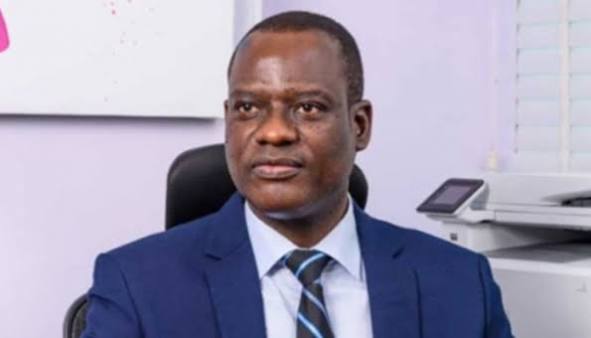
Nigeria’s Finance Minister and Coordinating Minister of the Economy, Taiwo Oyedele, has offered an explanation of how savings generated by the removal of fuel and foreign-exchange subsidies have been absorbed, saying the money has largely gone into debt servicing, higher wages, student loans and other government obligations.
The explanation comes amid persistent questions from Nigerians about what happened to the enormous resources freed after President Bola Tinubu’s administration removed the petrol subsidy in 2023 and reformed the foreign-exchange market.
The issue has become one of the most contentious aspects of the government’s economic reforms.
While the Federal Government has repeatedly argued that subsidy removal was necessary to prevent the country from continuing to spend huge amounts on artificially keeping petrol prices low, critics have questioned whether Nigerians have seen sufficient benefits from the savings.
Speaking at the seventh African Emerging Markets Forum in Abuja in late July, Oyedele acknowledged that the question of where the savings went was legitimate.
The minister said the combined cost of the petrol subsidy and what he described as an implicit foreign-exchange subsidy had been equivalent to about 5 per cent of Nigeria’s gross domestic product before the reforms.
But according to Oyedele, the savings did not remain in a single government account waiting to be distributed.
Instead, they were absorbed by increased government obligations.
One major area was debt servicing.
The cost of government borrowing increased significantly following the reforms, with borrowing rates rising to as much as 24 per cent from around 8 per cent previously, according to Oyedele’s explanation reported by Reuters.
The government’s wage bill also increased substantially.
Oyedele said the wage bill nearly doubled following the increase in the national minimum wage to ₦70,000.
The Federal Government also expanded its education financing commitments.
According to the minister, the government’s student-loan programme provides tuition support and monthly stipends to more than 1.5 million students.
These expenses, according to the government’s explanation, absorbed part of the fiscal space created by subsidy reforms.
The government has also pointed to other obligations as part of the reason the savings have not appeared as a single identifiable pool of money.
The explanation has nevertheless not ended the debate.
For many Nigerians, the central question is not simply whether the government has spent the money but whether the expenditure has produced measurable improvements in living standards.
That concern is particularly important because subsidy removal also contributed to a sharp increase in the cost of transportation and other everyday necessities.
Reuters reported that although Tinubu’s reforms have received support from investors and international lenders, they have also contributed to severe short-term cost-of-living pressures for millions of Nigerians.
Oyedele has acknowledged the difficulty of the transition while defending the reforms.
The government’s argument is that continuing to finance subsidies would have left Nigeria with even less fiscal room and potentially exposed the economy to a deeper crisis.
The Finance Minister has also promised greater transparency.
The Federal Government said it would publish a detailed account showing how the savings generated by the reforms were utilised.
That proposed breakdown could become important because it would allow Nigerians to examine the government’s explanation against actual expenditure figures.
The debate over the subsidy savings therefore goes beyond the question of whether the government saved money.
It raises a larger question about how Nigeria manages public resources after major economic reforms.
For supporters of the Tinubu administration, the savings helped create room to meet rising government obligations while stabilising public finances.
For critics, however, the real test is whether those resources ultimately translate into better roads, cheaper transportation, improved public services, stronger social protection and higher household incomes.
The government’s explanation has provided part of the answer, but the promised detailed breakdown could provide a clearer picture.
Until then, the ₦15.8 trillion figure will continue to attract scrutiny because Nigerians are not only asking where the money went but also what they received in return.