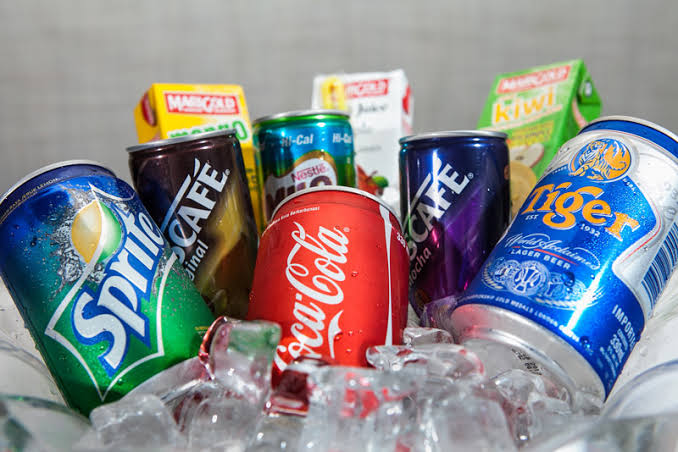
The World Health Organisation (WHO) has called on governments across the globe to significantly increase taxes on sugary drinks and alcohol, warning that their low cost and wide availability are contributing to rising rates of preventable diseases and avoidable deaths.
In a statement, the global health body said easy access to sugar-laden beverages and alcoholic drinks is driving a surge in obesity, diabetes, cancer, injuries and other serious health conditions, while placing growing strain on already overstretched healthcare systems.
WHO Director-General, Dr Tedros Ghebreyesus, said evidence shows that higher health taxes are an effective tool for reducing consumption of harmful products and improving public wellbeing. He added that such taxes also provide governments with additional revenue that can be reinvested in health services, education and social protection programmes.
WHO disclosed that at least 116 countries currently impose some form of tax on sugary drinks. However, it noted that many high-sugar products, including 100 per cent fruit juices, sweetened milk drinks and ready-to-drink coffees and teas, are often excluded from these levies.
On alcohol, the organisation said 167 countries tax beer, wine and spirits, but warned that alcoholic beverages have become increasingly affordable in many regions because tax rates have not been adjusted to reflect inflation or rising incomes since 2022.
The health agency cautioned that regular consumption of sugary drinks significantly increases the risk of obesity, Type 2 diabetes, heart disease, dental problems and bone-related conditions. Alcohol use, it said, is associated with poor mental health, maternal and child health risks, communicable and non-communicable diseases, and a higher likelihood of injuries and accidents.
To support its position, WHO cited the United Kingdom’s sugar tax introduced in 2018, which it said resulted in reduced sugar consumption, generated £338 million in revenue in 2024 alone, and contributed to lower obesity rates among young girls, particularly in low-income communities.
WHO is now urging governments to not only raise but also redesign taxes on tobacco, alcohol and sugary drinks as part of a broader strategy to protect public health, reduce healthcare costs and prevent millions of avoidable deaths worldwide.