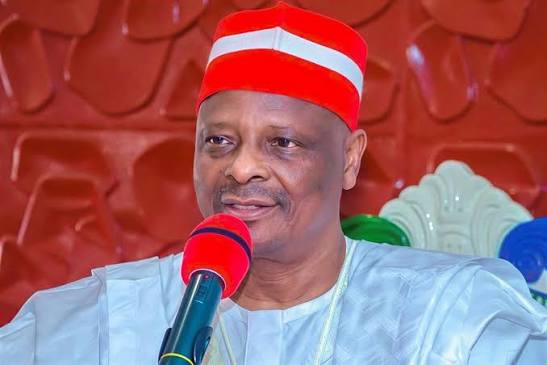
NDC vice-presidential candidate Rabiu Kwankwaso says a Peter Obi-led administration would combine dialogue with stronger security operations and intelligence gathering to tackle Nigeria’s security challenges.
The vice-presidential candidate of the Nigeria Democratic Congress (NDC), Rabiu Musa Kwankwaso, has said an administration led by the party’s presidential candidate, Peter Obi, would be willing to engage in dialogue with terrorists and other criminal groups as part of a broader strategy to address Nigeria’s persistent insecurity if elected in the 2027 general election.
Kwankwaso made the remarks during an interview on Channels Television, where he outlined what he described as a multi-pronged approach to tackling terrorism, banditry, kidnapping and other violent crimes across the country. He stressed that dialogue would not replace military and law enforcement operations but would complement other security measures aimed at restoring peace.
‘We’ll talk to everybody’
According to Kwankwaso, an NDC government would be prepared to engage “everybody, including terrorists,” where such engagement could help end violence and encourage perpetrators to abandon criminal activities.
He argued that many conflicts around the world have involved negotiations at different stages and that dialogue should not automatically be ruled out where it serves the national interest.
Communities know the perpetrators, says Kwankwaso
Kwankwaso also said residents of communities affected by insecurity often know those responsible for attacks and where they operate but are reluctant to cooperate with security agencies.
He attributed this reluctance to a lack of public trust, claiming that some residents fear retaliation or believe security agencies may not adequately protect them after sharing intelligence.
According to him, rebuilding confidence between local communities and security agencies would be central to the NDC’s security strategy.
Security strategy would combine dialogue and enforcement
Beyond negotiations, Kwankwaso said an Obi administration would strengthen intelligence gathering, improve collaboration among security agencies and enhance community policing initiatives.
He maintained that dialogue would only be one component of a wider security framework designed to reduce violence while ensuring that law enforcement agencies continue to pursue criminal elements through lawful means.
Debate over negotiating with armed groups
The question of whether governments should negotiate with terrorists and armed groups has remained controversial in Nigeria.
Previous administrations have adopted different approaches, ranging from military offensives to dialogue with certain armed groups, particularly in the Niger Delta and, in some cases, with insurgent factions. Critics argue that negotiations may embolden criminal groups, while supporters contend that carefully managed dialogue can help save lives and end prolonged conflicts.
Kwankwaso’s comments have already generated public debate, with supporters describing the proposal as pragmatic and critics questioning its effectiveness against terrorist organisations.
Kwankwaso did state that an NDC administration would be willing to “talk to everybody, including terrorists.” However, his comments were made in the context of a broader security strategy that also includes intelligence gathering, rebuilding trust in security institutions and continued security operations. They should not be interpreted as suggesting negotiations alone would be the government’s response to insecurity.