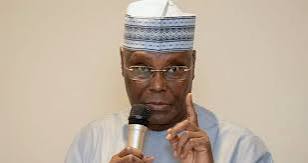
Former Vice President Atiku Abubakar has criticised President Bola Tinubu’s economic policies, arguing that rising costs are making home and car ownership increasingly unaffordable for Nigerians.
Former Vice President and African Democratic Congress (ADC) presidential candidate Atiku Abubakar has criticised the economic policies of President Bola Ahmed Tinubu’s administration, arguing that many Nigerians are being priced out of basic asset ownership.
Atiku said the rising cost of living was making it increasingly difficult for households to afford homes, cars and other durable assets.
His comments were based on the latest Central Bank of Nigeria (CBN) Household Expectations Survey, which he said offered a troubling picture of the purchasing power of Nigerian households.
Atiku cites CBN household survey
According to figures cited in reports on Atiku’s statement, buying conditions for motor vehicles stood at 28.7 points, while consumer durables recorded 28.9 points.
The buying conditions index for buildings and landed property stood at 30.0 points.
The figures indicate weak consumer sentiment around the purchase of major assets, with households facing pressure from the cost of essential goods and services.
‘A home is becoming a fantasy’
Atiku argued that the figures point to a deterioration in Nigerians’ ability to make major purchases.
He linked the situation to the wider cost-of-living crisis, saying households are increasingly spending their income on necessities including food, transportation, electricity and education.
According to reports on his statement, Atiku said families were left with little room for savings, investment or acquiring assets after meeting basic needs.
Atiku attacks Tinubu’s economic reforms
The ADC presidential candidate accused the Tinubu administration of weakening Nigerians’ purchasing power through its economic policies.
The criticism adds to Atiku’s repeated attacks on the government’s handling of the economy as the country moves towards the 2027 general elections.
The Tinubu administration has, however, consistently defended its reforms, arguing that measures such as the removal of fuel subsidy and changes to the foreign exchange regime are designed to stabilise the economy and create the foundation for long-term growth.
Atiku’s latest comments therefore add another layer to the growing political debate over whether the government’s reforms are improving economic conditions for ordinary Nigerians.