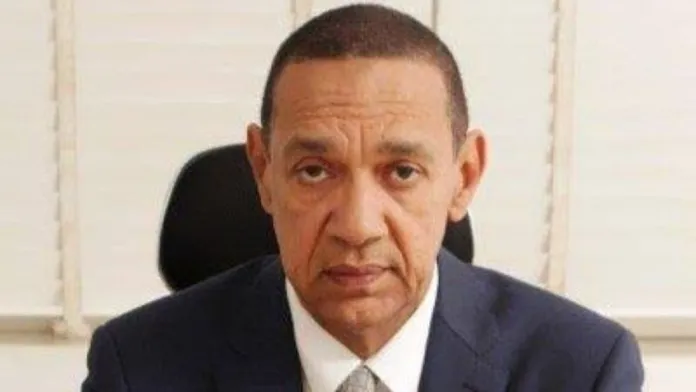
Former Bayelsa East Senator Ben Murray-Bruce has urged President Bola Ahmed Tinubu to bring more people he described as “mad men” into his administration, arguing that Nigeria needs officials bold enough to challenge entrenched interests and confront problems that have persisted for decades.
Murray-Bruce’s choice of words was deliberate.
Rather than referring to people who are literally mentally ill, the former senator used “mad men” to describe individuals willing to take unconventional decisions, challenge established interests and refuse to be constrained by the way things have traditionally been done.
His argument reflects a broader frustration with Nigeria’s long-running governance challenges, where reform efforts often encounter resistance from powerful interests benefiting from existing arrangements.
Murray-Bruce has previously advocated for bold policy decisions and stronger leadership, particularly around economic development, investment and governance.
His latest intervention comes as the Tinubu administration enters the 2027 election cycle facing a mixed political picture.
The government has defended its economic reforms, arguing that measures such as the removal of fuel subsidies and changes to the foreign-exchange system were necessary to stabilise the economy and put Nigeria on a stronger long-term footing.
Tinubu has repeatedly maintained that the country is emerging from what he describes as a difficult period and that the reforms are beginning to produce results.
In a recent meeting with Catholic bishops, the President said his government had stabilised the economy and that prosperity was on the horizon. He also said security operations were being restructured to confront terrorism, banditry and kidnapping.
But the administration continues to face criticism over the cost of living, insecurity and the pace at which the benefits of its reforms are reaching ordinary Nigerians.
The opposition has made those issues central to its emerging 2027 campaign.
Reuters reported on Wednesday that as presidential campaigning formally begins, Tinubu faces a contest shaped by public frustration over economic hardship and insecurity, although the fragmented opposition could work to the incumbent’s advantage.
Murray-Bruce’s call can therefore be read against that backdrop.
His argument is essentially that conventional approaches may not be sufficient to fix problems that have survived successive administrations.
For him, the President needs officials who are prepared to take risks, challenge vested interests and make decisions that may initially be unpopular.
That approach, however, comes with its own risks.
Boldness in government can produce major reforms, but effective governance also requires institutions, accountability and careful assessment of the consequences of policy decisions.
The challenge for the Tinubu administration is therefore not simply finding people willing to take unconventional decisions.
It is finding officials capable of combining that boldness with competence, transparency and measurable results.
As the 2027 election campaign begins, the question of who surrounds the President — and whether those officials can translate his reform agenda into improvements in Nigerians’ daily lives — will remain central to the political debate.
For Murray-Bruce, Nigeria needs leaders willing to think differently.
His unusual description of such people as “mad men” was ultimately a call for officials prepared to confront the system rather than simply operate within it.