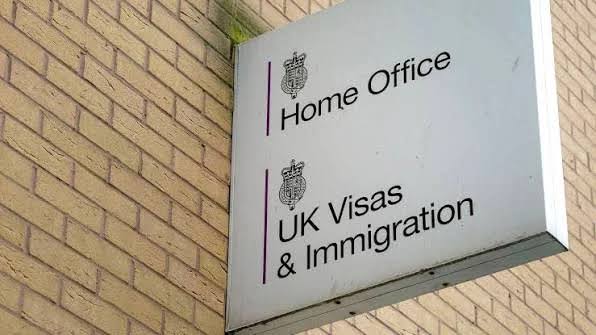
The United Kingdom Home Office has clarified that asylum seekers who have friends or family members able to provide them with accommodation can choose to live with them rather than remain in Home Office-provided accommodation while their asylum claims are being considered.
The guidance forms part of the UK’s wider asylum accommodation framework and provides further details about how asylum seekers can live independently while continuing to receive eligible support.
According to official Home Office guidance updated in 2026, an asylum seeker does not have to remain in Home Office accommodation if they are able to live with friends or family.
The guidance states that where an asylum seeker chooses to stay with relatives or friends, their place of residence does not affect the outcome of their asylum application.
This means that an asylum seeker who has suitable accommodation available through a family member or friend can live at that address while waiting for a decision on their claim.
The arrangement is separate from the question of whether the person is entitled to asylum itself.
Where an applicant qualifies for asylum support, they may also be able to receive assistance with essential living costs even when they are living privately with friends or family.
The Home Office’s updated information booklet similarly explains that an asylum seeker who already has accommodation, such as a place provided by a relative or friend, can remain there while applying for financial support for day-to-day needs.
The policy is significant as the UK government continues to reform its asylum accommodation system.
The government has been reducing its reliance on hotels and exploring alternative accommodation arrangements as it seeks to lower the cost of supporting asylum seekers.
Recent government policy has included greater use of dispersal accommodation and former military sites, while authorities have also been examining ways to distribute asylum accommodation more evenly across different parts of the country.
The latest guidance does not mean that every asylum seeker can demand accommodation in a particular part of the UK.
The Home Office’s accommodation allocation policy continues to operate on a “no choice” basis where the government is providing accommodation.
However, the policy recognises that people who can live in private accommodation with friends or family may leave Home Office accommodation and live at that address.
There are also procedures for asylum seekers receiving financial support who want to move into accommodation provided by friends or relatives.
The Home Office says applicants may be able to receive assistance with reasonable travel costs when moving from Home Office accommodation to a new address where they will live with friends or family, subject to the applicable requirements.
The policy therefore gives eligible asylum seekers another accommodation option while their immigration cases are being processed.
However, living with family or friends does not guarantee a successful asylum claim.
The decision on an asylum application remains based on the applicant’s circumstances and the applicable UK asylum and immigration rules.
The Home Office explicitly states that where an asylum seeker lives does not affect the outcome of the asylum application.
The clarification comes as the government continues efforts to reduce dependence on expensive asylum hotels.
The government has been closing some asylum hotels and transferring people into other forms of accommodation as part of its wider strategy.
The changes have generated political debate, with some local communities and politicians raising concerns about where asylum seekers are housed and how accommodation is distributed.
The government, however, has argued that moving away from hotels will reduce costs and create a more sustainable asylum accommodation system.
For asylum seekers with established support networks in Britain, the ability to live with friends or family can provide an alternative to government accommodation.
It may also allow individuals to remain closer to people who can provide practical and emotional support while their cases are being determined.
The policy nevertheless comes with requirements.
People receiving asylum support must notify the relevant authorities of changes in their circumstances and comply with the applicable support rules.
The Home Office also retains responsibility for assessing eligibility for accommodation and financial support.
The updated guidance therefore represents a clarification of an existing route for asylum seekers who have private accommodation available to them, rather than a blanket offer of free private housing.
For Nigerians and other foreign nationals with asylum applications in the UK, the distinction is particularly important.
Having family or friends in Britain may provide an accommodation option, but it does not itself establish eligibility for asylum.
Applicants still have to meet the requirements of the UK’s asylum system.
The latest guidance nevertheless provides greater clarity on an important aspect of the process: an asylum seeker who can live with friends or family does not necessarily have to remain in Home Office accommodation while waiting for a decision.