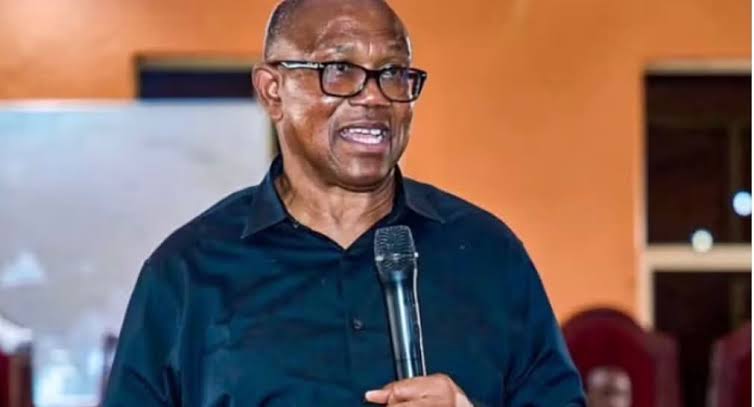
Presidential candidate of the Nigeria Democratic Congress (NDC), Peter Obi, has said he would retain Nigeria’s floating exchange-rate regime if elected president in 2027, signalling that his economic agenda would focus on improving the management and impact of the policy rather than reversing it.
Obi made the position known during an interview with Arise Television, where he discussed the economic policies of the Bola Tinubu administration that he would maintain or modify if given the mandate to lead the country.
The former Anambra State governor’s position is notable because the floating exchange-rate regime has been one of the most consequential economic reforms introduced under Tinubu, following the removal of major foreign-exchange restrictions and the unification of exchange-rate windows.
The policy has significantly changed the way the naira is priced against major international currencies, while also generating intense debate over inflation, imported goods, business costs and household purchasing power.
Obi’s comments suggest that his criticism of the current administration does not necessarily extend to every individual reform introduced under Tinubu.
Instead, his argument is that policies must be properly implemented and accompanied by measures capable of protecting households and businesses from their adverse effects.
Nigeria’s exchange-rate reforms have been closely watched by investors and international economic institutions because of their implications for foreign-exchange liquidity, investment flows, government revenue and the wider business environment.
Obi has repeatedly campaigned on the need for greater productivity, investment and fiscal discipline, while insisting that Nigeria must move away from policies that encourage dependence on consumption and imports.
His latest comments therefore place the exchange-rate question within the broader economic debate expected to dominate the 2027 presidential campaign.
With political parties already positioning themselves for the election, the management of the naira, inflation, taxation, energy costs and employment is likely to remain central to the competing economic visions of the major candidates.