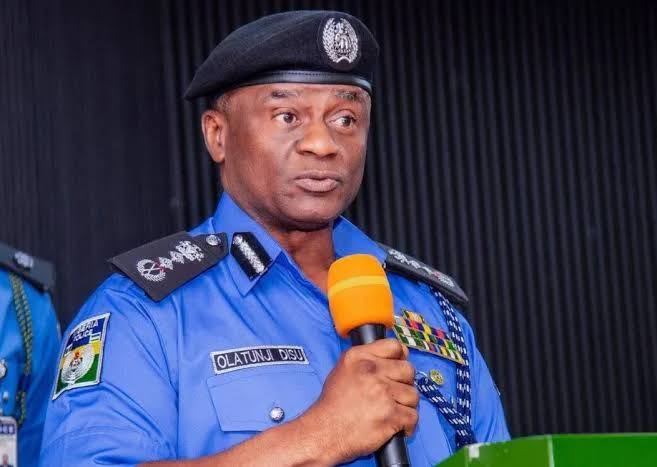
Three Senior Advocates of Nigeria have said citizens have the legal right to record police officers while they are carrying out their duties in public spaces.
The lawyers — Olu Daramola, Olalekan Ojo and Isiaka Olagunju — made the position known amid an ongoing debate over whether members of the public can lawfully film police operations.
Their intervention comes after recent controversy surrounding the rights of citizens to document interactions with law-enforcement officers.
The Senior Advocates argued that recording an officer performing official duties in a public place does not, by itself, constitute an offence.
Their position is based on the broader principle that police officers exercising public powers remain subject to public scrutiny and accountability.
The lawyers also referenced judicial authority supporting the right of citizens to record public officers.
The debate is particularly relevant in an era when smartphones have made it possible for virtually any member of the public to record events as they unfold.
Police encounters captured on mobile phones have increasingly become an important source of evidence in allegations involving excessive force, unlawful arrest or misconduct.
However, the legal position does not mean citizens have unrestricted permission to interfere with police operations.
Recording an officer and physically obstructing an investigation are legally different matters.
A person may be entitled to document what is happening while still being required to comply with lawful police instructions and avoid interfering with an ongoing operation.
The lawyers’ position therefore places emphasis on the distinction between observation and obstruction.
The debate also touches on broader questions about police accountability and citizens’ rights in Nigeria.
When officers exercise powers such as arrest, search or detention, independent documentation can provide evidence about what occurred before, during and after an encounter.
At the same time, police officers have legitimate concerns about operational security, particularly where recording could compromise sensitive investigations or expose confidential information.
The challenge is therefore to balance lawful police work with citizens’ rights to document public events.
The lawyers’ intervention provides an important legal perspective for Nigerians who may encounter police officers in public.
Citizens should understand that having a right to record does not necessarily provide immunity from other laws governing obstruction, harassment, privacy or interference with police operations.
Likewise, police officers exercising public duties are not automatically entitled to seize a person’s phone simply because the person is recording them.
The issue is likely to remain an important part of the national conversation about police reform and accountability.
With the increasing use of mobile phones as evidence, the ability of citizens to document public encounters has become a significant component of modern policing and public accountability.