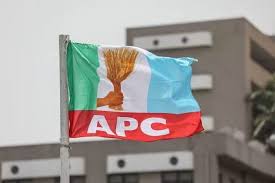
The All Progressives Congress (APC) Presidential Campaign Council has accused African Democratic Congress (ADC) presidential candidate Atiku Abubakar of compromising Nigeria’s interests over the controversial Mambilla Hydroelectric Power Project.
In a statement issued on Friday and signed by its spokesman, Dele Alake, the council described Atiku as “unfit” to become president, citing disclosures it said emerged during arbitration proceedings involving the Mambilla project.
The APC’s statement followed an International Chamber of Commerce (ICC) arbitration ruling concerning claims brought by Sunrise Power and Transmission Company and its promoter, Leno Adesanya, over the stalled 3,960-megawatt project in Taraba State.
APC raises $500,000 payment
The campaign council focused particularly on a $500,000 payment made by Sunrise promoter Leno Adesanya to Jennifer Douglas, who was Atiku’s former wife, in January 2003.
The APC argued that the payment and evidence discussed during the arbitration proceedings raised questions about Atiku’s conduct while he was vice-president.
The council accused Atiku of compromising Nigeria’s interests for personal or fiduciary gain and called on him to withdraw from the 2027 presidential race.
Those are allegations made by the APC campaign council and should not be treated as an independent finding that Atiku committed wrongdoing.
Arbitration concerned Mambilla claims
The underlying dispute involves the long-delayed Mambilla Hydroelectric Power Project and claims brought by Sunrise Power against Nigeria.
Reports on the tribunal proceedings said the arbitration rejected Sunrise’s claims, including a demand for hundreds of millions of dollars and a separate claim exceeding $2.7 billion.
The APC has sought to use the arbitration proceedings as a basis for attacking Atiku’s suitability as a presidential candidate.
Atiku camp challenges APC interpretation
Atiku’s camp has disputed the APC’s interpretation of the arbitration proceedings.
His spokesman has challenged the ruling’s interpretation and accused the APC of politicising the tribunal’s decision, demanding that the party identify the specific portion of the tribunal’s ruling that supports its claims about Atiku.
The dispute therefore involves competing political interpretations of the arbitration proceedings.
The tribunal’s decision on the commercial dispute should be distinguished from political claims about Atiku’s eligibility, character or suitability for office, which remain matters of political argument rather than findings established by the arbitration ruling itself.