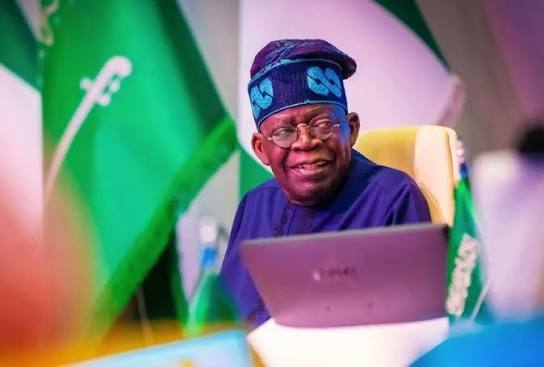
President cites fare reductions in several states as FG pushes nationwide CNG rollout
President Bola Ahmed Tinubu has said Nigerians are already benefiting from reduced transportation costs in states that have introduced compressed natural gas (CNG) and electric-powered public transport systems.
Tinubu made the claim in a statement on Saturday while providing an update on the Federal Government’s National Affordable CNG Transit Programme.
The President said the government was targeting measurable reductions in transportation costs across the country from October 1 and urged state governments to accelerate their CNG and alternative-energy transport programmes.
Government cites examples across states
According to the President, CNG-powered and electric public transport services have already produced substantial fare reductions in several states.
In Borno, Tinubu said CNG and electric public transport services were carrying commuters for between ₦50 and ₦100 on routes where commercial operators charge between ₦300 and ₦600.
He said Kaduna’s 100 CNG buses had provided free transportation on major routes and carried approximately 3.2 million passengers during their first year, which the government estimated saved commuters more than ₦3.5 billion.
In Oyo, the President said CNG buses deployed to Pacesetter Transport reduced the Lagos-Ibadan fare from about ₦8,000 to ₦3,200 during the initial deployment.
He also cited reductions in Adamawa, Enugu, Plateau, Niger, Abia and Abuja.
More vehicles being converted
Tinubu said more than 120,000 vehicles had been converted to CNG nationwide, alongside more than 400 certified conversion centres and over 90 CNG refuelling stations.
He said the infrastructure was continuing to expand as the Federal Government sought to reduce Nigeria’s exposure to fluctuations in global petroleum prices.
The President also directed states to work with transport unions and commercial operators to ensure that savings from cheaper energy translate into lower fares for commuters.
Tinubu rejects subsidy reversal
The President again ruled out returning to the petrol subsidy regime, arguing that the policy had consumed substantial public resources and left the country exposed to movements in international oil prices.
His position comes amid renewed political debate over petrol subsidies, with former Vice-President Atiku Abubakar advocating a targeted subsidy approach as part of his economic proposals for the 2027 election.
Tinubu said the government’s focus would instead remain on expanding CNG infrastructure, conversion capacity and alternative-energy transportation.
The effectiveness of the programme will ultimately depend on how widely the lower-cost transport options are deployed and whether the savings reach commuters through sustained reductions in fares.